


Choosing the correct baseball glove for youth players affects their comfort, movement and skill development. As young athletes grow, their equipment needs change; selecting the right glove reduces distractions and speeds technical progress. This guide covers sizing, fit, performance characteristics and materials so guardians and coaches can make informed choices that support steady improvement on the field.
We cover age- and position-based sizing, methods to verify fit, how design and materials influence play, and options for appearance and customisation. The guide also explains why certain leathers, such as bark-tanned varieties, extend glove life and improve feel. Finally, we highlight Resilient Gloves and their patented G-Lock™ technology to show how mechanical fit systems can add measurable value for players and caretakers.
Sizing
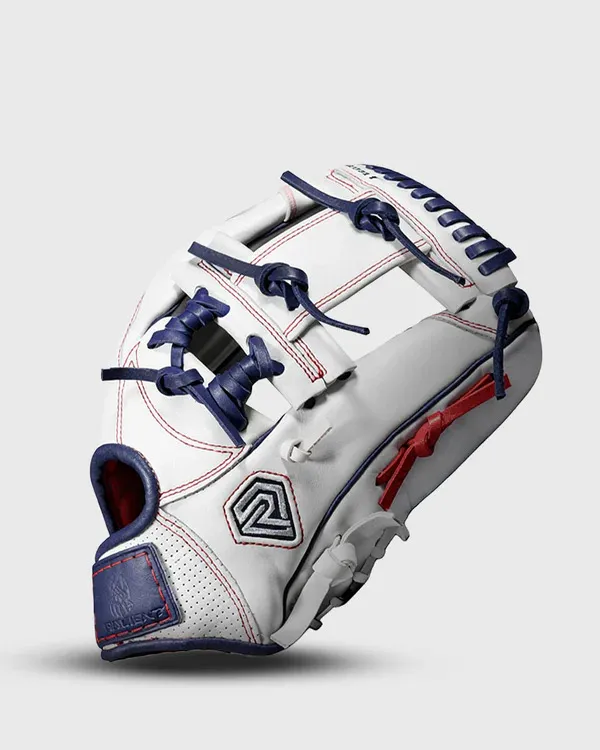
Correct sizing is based on the player’s age, hand measurements and position-specific demands. Youth gloves are produced in incremental sizes so you can match a glove to hand length and intended use; getting this right supports handling, fielding speed and comfort throughout play.
Common size ranges for youth baseball gloves are as follows:
-
Ages 4-6: 10-11 inches
-
Ages 7-10: 11-12 inches
-
Ages 11-14: 12-13 inches
Those ranges reflect typical hand proportions at each developmental stage and help ensure the glove offers appropriate control without restricting movement.
Fit
Fit governs how a glove responds in live play. A tailored fit keeps the glove stable on the hand, improves transfer speed and reduces fumbling. Achieving the right fit requires attention to finger length, palm contour and wrist fixation so the player can react reliably under game conditions.
-
Finger Length: Make sure that fingers reach the glove's end without being too tight, allowing for flexibility.
-
Palm Width: A palm that molds comfortably to the player's hand enhances grip and control.
-
Wrist Adjustment: Many youth gloves come with adjustable wrist straps, which help in achieving a tailored fit while maintaining stability.
This is where Resilient Gloves' G-Lock™ system shines, offering an innovative approach to customization with 25 micro-adjustments to enhance fit and comfort.
Performance Characteristics
Performance depends on material selection, pattern and construction. A glove that uses higher-grade leather and deliberate stitching patterns delivers better tactile feedback, consistent pocket shape and longer service life—features that directly affect catching confidence and throwing accuracy.
-
Material Quality: High-quality leather, such as bark-tanned leather, offers durability and flexibility.
-
Break-in Period: Ensure that players allocate adequate time for the glove to break in properly; this is essential for achieving an optimal feel.
When these factors are considered together, players gain a more predictable tool that supports finer skill execution during practices and games.
Additional Considerations
Beyond fit and materials, aspects such as colour, web style and customisation influence how invested a young player feels in their glove. Personal preferences matter: a glove the player likes is more likely to be used and cared for properly.
Visual options—bright colours, contrasting laces or personalised patches—can increase a player’s enthusiasm and, in turn, their time spent practising. Factoring appearance into the selection process complements the technical choices and leads to a more satisfying purchase.
How Do You Select the Right Youth Baseball Glove Size in 2026?
Selecting the correct size requires precise measurement and a match to position demands rather than relying solely on age. Measuring gives a repeatable basis for selecting a size that supports dexterity and control.
Measuring Techniques
To accurately measure a young player's hand for a glove, follow these steps:
-
Measure Hand Length: Have the player extend their hand fully and measure from the tip of the longest finger to the base of the palm.
-
Measure Hand Width: Measure across the widest part of the hand, ensuring both measurements are recorded accurately.
-
Cross-reference with Size Charts: Utilize age-specific sizing charts to find an appropriate glove size based on the measurements collected.
Recording both length and width lets you compare the player’s proportions against manufacturer sizing tables and choose a model that matches their hand shape.
Size Chart by Age
A practical sizing chart is essential for finding the right glove size based on a player's age and position. The following chart illustrates typical glove sizes for youth baseball players:
|
Age Group
|
Glove Size
|
Position Considerations
|
|---|---|---|
|
4-6 years
|
10-11 in
|
T-Ball, Outfield
|
|
7-10 years
|
11-12 in
|
Little League, Infield/Outfield
|
|
11-14 years
|
12-13 in
|
Junior Varsity, All Positions
|
Use the chart alongside hand measurements and the player’s position to identify the most suitable size and reduce the need for early replacement.
Performance Considerations
Different glove materials yield various performance outcomes. A glove made from higher-quality leather typically offers better durability and flexibility—critical features for effective gameplay. Bark-tanned leather, in particular, enhances a glove's comfort and responsiveness.
Players also must consider the importance of a quick break-in period, allowing them to adapt to the glove's feel and functionality, which can be crucial during practice or game situations.
Why Is Bark-Tanned Leather the Superior Choice for Youth Baseball Gloves?
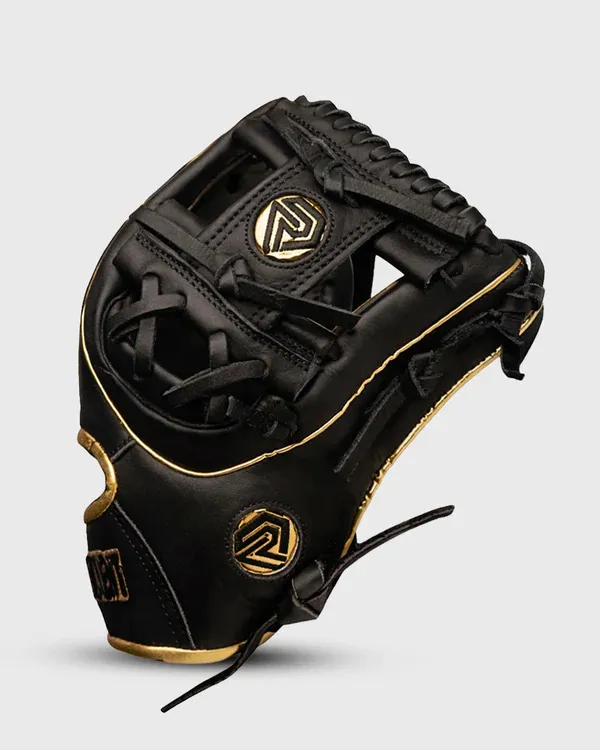
Bark-tanned leather is valued for how the tanning preserves the hide’s natural structure, producing a material that responds predictably under load and over time.
What Benefits Does the Bark Tanning Process Provide?
The bark tanning process enhances leather quality by preserving its natural properties. Benefits include:
-
Durability: Stronger resistance to wear and tear, supporting longevity.
-
Flexibility: Enhanced pliability, allowing the glove to adapt comfortably to a player's hand.
-
Weather Resistance: Natural oils protect against moisture, maintaining performance.
Those characteristics produce gloves that retain pocket shape, require less aggressive break-in and sustain repeated use across seasons.
How Does Bark-Tanned Leather Compare to Mass-Market Alternatives?
When compared to mass-market alternatives like synthetic materials, bark-tanned leather proves to be superior. Advantages include:
-
Cost-effectiveness: While initially more expensive, bark-tanned leather gloves last longer, reducing the need for frequent replacements.
-
Enhanced Performance: The natural qualities of leather offer better grip, sensitivity, and control during gameplay.
For families weighing short-term price versus lifespan and playability, bark-tanned options often present a stronger value over multiple seasons.
What Advantages Does the Patented G-Lock Adjustment System Offer Youth Players?
Resilient Gloves integrates G-Lock™ across several models to provide micro-adjustable fit control aimed at consistent hand placement and reduced slippage during play.
How Do the 25 Micro Adjustments Customize Glove Fit?
The G-Lock™ system features 25 micro-adjustments, enabling precise customization of the glove's fit. This enhancement allows:
-
Personalized Comfort: Ensuring that the glove fits each player's unique hand size.
-
Enhanced Control: A more fitted glove enhances the player's ability to handle the ball and react quickly.
These targeted adjustments shorten the time required to reach a secure fit and support steadier hand mechanics during catches and transfers.
In What Ways Does the G-Lock System Enhance Glove Durability and Comfort?
The architecture of the G-Lock™ system not only promotes a snug fit but also works to elevate the overall durability and comfort of the glove. Key benefits include:
-
Secure Closure: A tighter grip prevents the glove from slipping during play, ensuring consistent performance.
-
Material Preservation: The customized fit prevents stress points, which can lead to tearing or premature wear.
Integrating G-Lock™ reduces uneven strain on leather and stitching, which helps maintain shape and service life under regular use.
How Should Youth Players Break In and Maintain Their Baseball Gloves?
Breaking in and maintaining a glove preserves its performance and extends usable life. A measured approach to softening the leather and regular upkeep keeps pocket shape and tactile response reliable.
What Are the Recommended Break-In Techniques for Bark-Tanned Gloves?
-
Gentle Flexing: Regularly flex the glove to soften the leather fibers.
-
Utilize a Ball: Place a baseball in the pocket and wrap the glove tightly to form its shape.
-
Gradual Use: Begin with light practice to help the glove acclimate to the player's hand naturally.
Following those steps produces a consistent break-in without overstressing seams or thinning critical areas of the leather.
Which Maintenance Steps Extend Youth Glove Lifespan and Performance?
To prolong the lifespan of a glove, it’s essential to practice regular maintenance:
-
Cleaning: Wipe the glove with a damp cloth after use to eliminate dirt and sweat.
-
Storage: Store the glove in a cool, dry place away from direct sunlight.
-
Conditioning: Use glove-specific leather conditioner periodically to retain moisture and prevent cracking.
Routine cleaning, correct storage and periodic conditioning prevent leather brittleness and help the glove hold its intended shape season after season.
How Does a Properly Fitted Glove Impact Youth Baseball Performance and Confidence?
A correctly fitted glove reduces handling errors and improves transfer speed, which directly influences a young player’s on-field decision-making and self-assurance. Consistent fit permits players to attempt more complex plays with greater control.
What Role Does Glove Fit Play in Skill Development for Youth Players?
With the right fit, players gain better control over catching and throwing mechanics. That reliability encourages them to practise higher-skill plays and supports measurable progress in fielding technique.
How Do Resilient Gloves’ Features Support Youth Player Growth in 2026?
Resilient Gloves pairs precision fit systems like G-Lock™ with selected leathers and deliberate construction to address the practical needs of young athletes. Those design choices focus on faster break-in, durable performance and consistent hand placement for developing skills.
Where Can You Find Trusted Resources and Support for Youth Baseball Glove Selection?
Guardians and coaches who seek reliable guidance should consult manufacturer sizing charts, hands-on product demos and community feedback to form a well-rounded view before purchasing.
What Educational Materials Help Parents and Coaches Choose the Best Gloves?
Parents and coaches can access various resources, including:
-
Online Guides: Tutorials on glove sizing and features.
-
Interactive Forums: Communities where experienced players share advice.
-
Manufacturer Resources: Companies like Resilient Gloves provide helpful insights into their products.
Those resources supply practical steps—measurement methods, fit checks and maintenance routines—that make selection and care more straightforward for families.
How Do Warranty and Return Policies Build Confidence in Youth Glove Purchases?
Clarity around warranty and return terms reduces purchase risk and helps guardians compare long-term value across brands.
-
Resilient Gloves offers generous warranties to ensure that players can request replacements if necessary. This commitment to customer satisfaction creates peace of mind and encourages families to choose high-quality products without fear of financial loss if the gloves don’t meet expectations.
Frequently Asked Questions
What factors should I consider when choosing a glove for different playing positions?
When selecting a glove for various playing positions, it’s important to consider size, pocket depth, and glove style. For example, infielders typically prefer a glove with a smaller pocket for quick ball retrieval, while outfielders may opt for a larger pocket for catching fly balls. Additionally, pitchers often choose closed webs to conceal their grip on the ball. Understanding the specific demands of each position will help ensure that players have the best equipment for their roles on the field.
Are there specific gloves recommended for young players just starting out?
Yes, for young players new to baseball, choosing gloves that are lightweight and flexible is essential. Youth gloves designed for beginners should have a soft leather or synthetic material to facilitate easier catching and handling. Brands like Resilient Gloves offer options specifically crafted for novices that balance durability and ease of use, allowing new players to focus on skill development without struggling with heavier or more complex tools.
How can I ensure the glove remains functional as my child grows?
To ensure a glove remains functional as your child grows, look for models that provide adjustable fit features, such as the G-Lock™ system by Resilient Gloves. Regularly check the fit as your child grows—upgrading to a larger size when necessary—and maintain the glove with cleaning and conditioning to preserve its shape and durability. This way, you ensure lasting performance and support as they develop their skills.
What impact does color and design have on a youth player’s choice of glove?
The color and design of a glove can significantly influence a young player’s choice, as many athletes appreciate a glove that reflects their personality. Vibrant colors and stylish designs can enhance a player’s enthusiasm and confidence on the field. Choosing a glove that appeals to a child's aesthetic preferences can foster a stronger connection to the equipment and encourage them to engage more actively in practice and games.
What common mistakes should parents avoid when buying a glove?
Parents should avoid the common mistakes of selecting a glove that is too big or too rigid for their child’s hand, as it can hinder performance. Additionally, not considering the player’s position and play style can lead to poor choices. Lastly, neglecting to involve the child in the selection process can result in dissatisfaction; it’s beneficial to ensure that young players have a say in the characteristics they want in their gloves.
How often should a glove be cleaned and conditioned?
A youth baseball glove should be cleaned and conditioned regularly, ideally after each use. This involves wiping down the exterior to remove dirt and sweat. Every few weeks, applying a specialized glove conditioner helps maintain leather flexibility and prevents cracking. By following a maintenance schedule, you help extend the glove’s lifespan and ensure it performs optimally on the field throughout the season.
Is there a difference in price for youth gloves based on quality?
Yes, there is typically a difference in price for youth gloves based on quality. Higher-quality gloves made from premium materials, like bark-tanned leather, generally cost more but offer superior durability, flexibility, and performance. Investing in a quality glove can be beneficial in the long run, as it often means fewer replacements are needed, ultimately making it a cost-effective choice for parents investing in their child's equipment.
Conclusion
Choosing the right youth glove improves handling, reduces distractions and supports steady progress in fielding skills. By matching correct sizing and fit with durable materials—such as bark-tanned leather—and following measured break-in and care routines, guardians can select equipment that lasts through multiple seasons. Consider the models and fit systems available from reputable makers when selecting a glove to ensure a practical, long-term purchase that helps the player