

The right glove changes how you play. It controls grip, improves ball handling, and affects comfort during long sessions. High-quality leather matters for both durability and on-field performance. This guide covers materials, fit systems, upkeep, and how those choices affect play.
Knowing how leather grade and fit influence performance helps players choose gloves that perform sooner and last longer. This article addresses common fitting issues, compares traditional manufacturing methods with mass-market options, and gives maintenance advice. Core sections cover quality, fit, performance, and youth-specific design.
Quality
Leather quality determines a glove’s lifespan and feel. Premium leathers deliver firmer structure, longer wear life, and a responsive pocket. Different leathers change break-in behavior—from full-grain hides that take longer to soften but last for seasons, to synthetic materials that break in quickly but wear out sooner. Professional players generally use natural leather for those performance gains.
To illustrate the differences in glove quality, consider the following comparison:
|
Leather Type
|
Durability
|
Break-in Time
|
Performance
|
|---|---|---|---|
|
Full-Grain Leather
|
High
|
Long
|
Excellent
|
|
Steerhide
|
Medium
|
Medium
|
Good
|
|
Synthetic
|
Low
|
Short
|
Fair
|
Pick a glove that resists deformation and keeps a consistent pocket under use. Test how the leather holds its shape after repeated catches and exposures. Resilient Gloves uses handcrafted methods and bark tanning to produce leather that feels softer and responds sooner to a player’s hand.
Fit
Fit affects comfort and control on every play. A well-fitted glove speeds hand movements and reduces fumbling. For youth players, growth adds complexity: size, finger length, and palm width all matter when matching a glove to a developing hand.
When looking at glove fit, consider these key points:
-
Proper Fit Enhances Performance: A glove that fits well can aid in quick hand movements and provide better control.
-
Youth Players Face Unique Challenges: As young athletes grow, they may require gloves that accommodate their changing hand sizes.
-
G-Lock Adaptive Fit System: Resilient Gloves integrates the patented G-Lock system, which features customizable adjustments for a secure fit, providing comfort and confidence for all players.
Micro-adjustments in the G-Lock system let players dial in a snug fit without restricting movement. That finer tuning reduces the need to swap gloves as hands change or as preferences shift.
Performance
Construction and material choices shape how a glove behaves in play. Break-in characteristics, stitch quality, and overall build determine responsiveness and longevity under repetitive use.
Players need to consider how their glove's performance may be affected by several elements, including:
-
Break-in Time: A longer break-in period usually improves glove flexibility and responsiveness.
-
Structural Integrity: Quality stitching and material choice contribute to overall glove durability, directly affecting how well the glove performs during play.
-
Regular Maintenance: Proper cleaning and conditioning of leather gloves can extend their lifespan and maintain their performance.
Guides from Resilient Gloves outline step-by-step care routines that preserve glove shape and responsiveness, helping players keep consistent performance through a season.
Why Is Proper Glove Fit Vital for Baseball Players?
A correct glove fit links directly to performance and safety. Too tight, and movement is restricted; too loose, and control and catches suffer.
-
Impact on Control: A well-fitted glove allows for better control and handling of the ball, enhancing fielding efficiency.
-
Comfort Correlates with Performance: Players who feel comfortable in their gear are likely to perform better because they can focus on the game, instead of adjusting their equipment.
-
Injury Prevention: Properly fitting gloves can reduce the risk of injuries by ensuring players maintain the correct hand position and grip.
Those points show why players should prioritise finding a glove matched to their hand dimensions and playing style.
How Does the G-Lock Adaptive Fit System Enhance Glove Comfort and Performance?
The G-Lock Adaptive Fit System changes how players wear their gloves. This innovative technology allows for customizable adjustments that address unique player needs:
-
Customizability of Fit: Players can easily micro-adjust their gloves, allowing for a personalized fit that improves confidence at bat or in the field.
-
Micro-Adjustments Enhance Comfort: The adaptable nature of the G-Lock system ensures players can quickly achieve a comfort level that suits them, no matter how intense the game becomes.
-
Improved Player Confidence: A secure glove boosts a player’s confidence in making plays, knowing their gear is tailored for performance.
That fit system separates Resilient Gloves from typical fittings by offering precise adjustments that match individual hand shapes and preferences.
What Are Common Fit Challenges and How to Measure Glove Size Accurately?
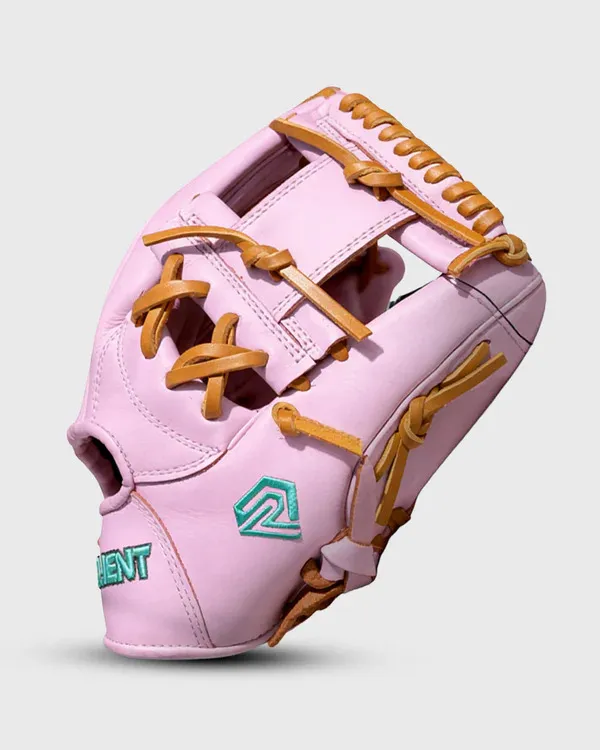
Finding the right fit can be difficult for younger players. Typical issues include rapid growth, inconsistent sizing across brands, and measuring errors.
-
Growth Variability: Young athletes often have rapidly changing hand sizes, making it hard to find a fit that lasts through the season.
-
Measurement Techniques: Accurate measurements help players find the proper glove size. It’s important to measure both the length of the hand and the width across the palm.
-
Solutions for Overcoming Fitting Challenges: Using gloves with adjustable systems like the G-Lock can reduce fit issues and extend the glove's usable life.
Measure both palm width and finger length and compare those figures to manufacturer size charts. Choosing adjustable models reduces the chance a glove becomes unusable after a growth spurt.
What Makes Bark-Tanned Leather Superior for Baseball Gloves?
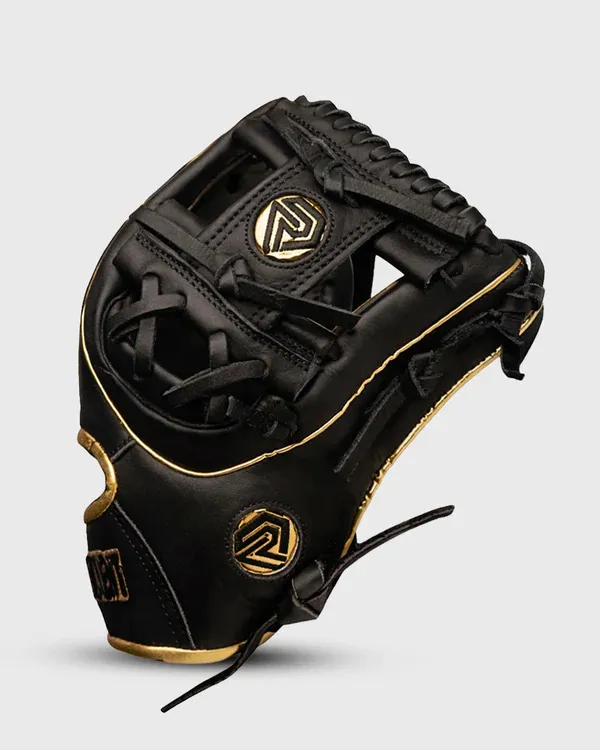
Bark-tanned leather offers a combination of pliability and endurance that many mass-market materials do not. The tannins used in this process yield softer grain and a tactile feel that improves handling and control.
-
Softness and Responsiveness: The natural tanning process produces leather that is softer and more pliable, allowing better control and easier handling.
-
Durability and Longevity: Traditional tanning methods used in bark-tanned leather improve durability, making it ideal for the rigors of play.
-
Aesthetic Appeal: Natural aging processes create a unique look, making each glove distinctive over time.
Those traits explain why many craftsmen and serious players prefer bark-tanned hides: they combine a fast-developing fit with a long service life.
How Does the Traditional Bark-Tanning Process Improve Durability and Texture?
The traditional bark-tanning process preserves natural fibre structure and introduces tannins that stabilise and strengthen the hide. The result is leather that stays serviceable for years.
-
Natural Processes Strengthen Leather: This lengthy process maximizes leather longevity, ensuring effectiveness over years.
-
Impact on Gloves' Break-in Time: Gloves made from this leather generally require less break-in time, enabling consistent performance sooner.
-
Affects Usability Over Time: As the leather ages, it gains a unique texture while maintaining integrity, giving players a custom fit developed by use.
That manufacturing focus is central to why Resilient Gloves highlights traditional craftsmanship in their production process.
How Does Bark-Tanned Leather Compare to Mass-Market Glove Materials?
Comparing bark-tanned leather with common mass-market options highlights clear trade-offs: durability and feel weigh against short-term cost and lighter weight.
-
Durability Differences: Bark-tanned leather typically outlasts synthetic alternatives due to its sturdiness.
-
Impact on Performance: Players using bark-tanned leather experience better grip and feel during play, improving decision-making and skill.
-
Pricing Considerations: Though more costly, its longer lifespan and enhanced performance often justify the expense for serious players.
For committed players, the longer service life and superior handling of bark-tanned leather often make it the more economical choice over several seasons.
How to Break In and Maintain Your Leather Baseball Glove for Longevity?
Breaking in and maintaining a glove preserves pocket shape and material strength. A planned routine shortens break-in and keeps the glove reliable under repeated use.
-
Use of Conditioning Treatments: Applying conditioner softens the leather, speeding up the break-in period.
-
Active Use: Regular practice and gameplay help mold the glove to the player's hand.
-
Storage and Care Practices: Properly storing gloves away from moisture and direct sunlight lengthens leather life and effectiveness.
Resources on the Resilient Gloves site list targeted maintenance steps that keep a glove serviceable and predictable through heavy use.
What Are the Best Practices for Conditioning and Breaking In a Leather Glove?
Using correct conditioning methods preserves structure while improving playability. Choose products and techniques that support the leather’s natural properties.
-
Choose Appropriate Conditioners: Using conditioners designed for leather keeps the material healthy and intact.
-
Apply Evenly and Sparingly: Over-conditioning can overly soften a glove, weakening its structure.
-
Avoid Excessive Heat: Natural drying is preferred since heat damages leather and affects performance.
Apply small amounts of conditioner evenly, test changes gradually, and avoid heaters or direct sun. These simple steps keep the glove usable and slow material fatigue.
How Does Proper Maintenance Extend Glove Lifespan and Performance?
Routine care prevents premature breakdown. Cleaning, conditioning, and correct storage preserve leather fibres and stitching.
-
Cleaning After Each Game: Wiping down removes dirt and sweat that could break down materials.
-
Conditioning Regularly: Frequent conditioning preserves leather moisture and flexibility.
-
Proper Storage: Keeping gloves in a cool, dry place prevents mold and deterioration.
Follow these steps and a glove will maintain consistent feel and reliability across seasons, delivering better value per hour of use.
Which Youth Baseball Gloves Support Growth and Skill Development?
Youth gloves should combine lightweight construction with adjustable features to match growth and developing technique. The right model helps a young player handle the ball cleanly while building confidence.
-
Adjustable Features: Gloves with the G-Lock system accommodate hand size changes during growth.
-
Highlighted Features: Lightweight design helps young players handle gloves better, boosting confidence.
-
Size Recommendations: Choosing glove size by a child’s age and position supports optimal skill development.
Choosing a glove that fits now and adapts as the player grows reduces replacements and supports steady skill development on the field.
How Does Customizable Fit Support Youth Players’ Comfort and Confidence?
Adjustable gloves give younger players a secure fit that matches growth patterns and hand shape. That security translates into steadier technique and less time spent fussing with gear.
-
Secure Fit Enhances Performance: Gloves that adjust to hand shape provide better handling, enhancing game play.
-
Confidence Boost: Well-fitting gear increases player confidence, knowing the glove reacts correctly.
-
Growth Adaptability: Adjustable features let youth players use gloves longer without frequent replacement.
Adjustable systems extend the useful life of a youth glove and help players concentrate on skill work rather than equipment adjustments.
What Size Gloves Are Ideal for Different Youth Age Groups and Positions?
Size choice affects comfort and playability. Use position-specific guidance and measured hand dimensions to select the right model.
-
Size Recommendations by Position: Different positions need particular glove sizes, for example, catchers use larger gloves than outfielders.
-
Measure Gloves for Proper Fit: Proper fitting involves measuring finger length and palm width to find a functional, comfortable glove.
-
Consider Growth When Buying: Picking gloves with some extra room helps accommodate growth over time.
Accurate measuring and matching to position help young players focus on drills and games with gear that supports quick hands and correct technique.
How Do Glove Construction and Materials Affect Baseball Performance?
Construction choices determine pocket behavior, weight distribution, and durability. Materials and stitching quality set how a glove responds to repeated impacts.
-
Material Comparisons: High-quality leathers are usually more responsive than synthetics.
-
Impact on Player’s Ability to Perform: Superior glove design lets players react faster and handle balls better.
-
Construction Methods Influence Usability: Construction prioritizing flexibility and durability is needed for effective play.
Paying attention to these elements helps players choose a glove that performs reliably and becomes a true asset on the field.
Which Glove Features Optimize Player Performance on the Field?
Seek features that reduce break-in time, lock the fit, and use durable materials so the glove stays consistent through games and practices.
-
Break-in Timing: Good gloves require minimal break-in time for immediate use.
-
Fit Security Features: Adjustable fittings keep gloves secure during play.
-
Highlight Durable Materials Used: Quality stitching and leather keep gloves intact longer, making a smart purchase.
Those features guide players toward gloves that support skill execution and tactical choices during play.
What Role Does Glove Position and Player Type Play in Selecting Gloves?
Position-specific demands require different pocket depth, web designs, and flexibility. Choosing a glove that matches role and style delivers clearer performance benefits.
-
Different Glove Requirements for Various Positions: Infielder gloves have different pocket designs than outfielder gloves, tailored to handling needs.
-
Young Player Considerations: Parents and coaches should pick gloves designed especially for youth, emphasizing comfort and ease.
-
Tailoring Selections to Playing Style: A player’s style can determine which glove suits best, from flexibility for quick moves to support for catching.
These differences help players match glove features to their position and style, which in turn improves on-field consistency.
Frequently Asked Questions
What should I consider when choosing a glove for a youth player?
Check size, weight, and adjustability. Look for models with micro-adjust systems like G-Lock, which extend fit as hands grow. Match glove pocket and length to the player’s position, and choose a lightweight model so the child can handle the glove without fatigue. Those factors support skill learning and confidence.
How often should I condition my leather baseball glove?
Condition every few months or more often with heavy use. Conditioning keeps leather flexible and reduces cracking. After games, wipe away dirt and sweat. Apply conditioner sparingly and evenly to avoid over-softening the structure. Consistent care keeps the glove dependable through the season.
Are there specific care tips for bark-tanned leather gloves?
Treat bark-tanned leather gently: use a quality leather conditioner, avoid prolonged dampness, and keep the glove out of direct sun and heat. Wipe off dirt after use and store the glove in a cool, dry place. These practices preserve the leather’s texture and extend useful life.
What are the advantages of a heavier glove versus a lighter glove?
Heavier gloves often deliver greater durability and a firmer feel, which benefits players who need a stable mitt. Lighter gloves improve hand speed and agility, useful for positions that require quick transfers. Choose weight based on position and personal handling preference.
Can I use synthetic gloves for competitive play?
Synthetic gloves can be a budget-friendly option and may work for entry-level or casual players. They typically wear faster and offer less tactile feedback than leather, so competitive players usually prefer leather for consistent performance and longer service life.
How important is the break-in period for my glove?
Break-in time shapes fit and responsiveness. As leather softens and forms to your hand, control and comfort improve. Regular use and careful conditioning speed this process, allowing the glove to perform reliably sooner.
How do I know when my glove needs to be replaced?
Replace a glove if the leather cracks, the shape collapses, or stitching fails. If the glove no longer holds a secure fit or interferes with catches and throws, it’s time to consider a new model. Routine maintenance delays replacement but does not eliminate eventual wear.
Conclusion
Choosing the right leather glove affects both performance and enjoyment on the field. Gloves made from bark-tanned leather and fitted with systems like G-Lock deliver durable construction and a predictable, comfortable fit. Prioritize proper sizing and routine care to lower the risk of equipment-related issues and extend service life. Browse our range of baseball gloves to find a match for your playing needs today! Conclusion