

Selecting the correct softball glove affects performance, comfort and enjoyment at every level. A properly fitted glove improves a player’s ability to catch, throw and move on the field. This guide explains sizing, fit and material factors to help you avoid common purchase mistakes and choose equipment suited to your needs.
This article covers how to determine proper glove sizing, why fit matters, the materials used in glove construction, extra selection tips and specific guidance for youth players. Each topic helps you match a glove to your position, skill level and comfort requirements.
Sizing
Correct sizing starts the selection process. A glove that is too large or too small will reduce catching efficiency. This section outlines measurement methods, the factors that influence size choice and age-specific size recommendations.
How to Measure Your Hand for Accurate Glove Fit
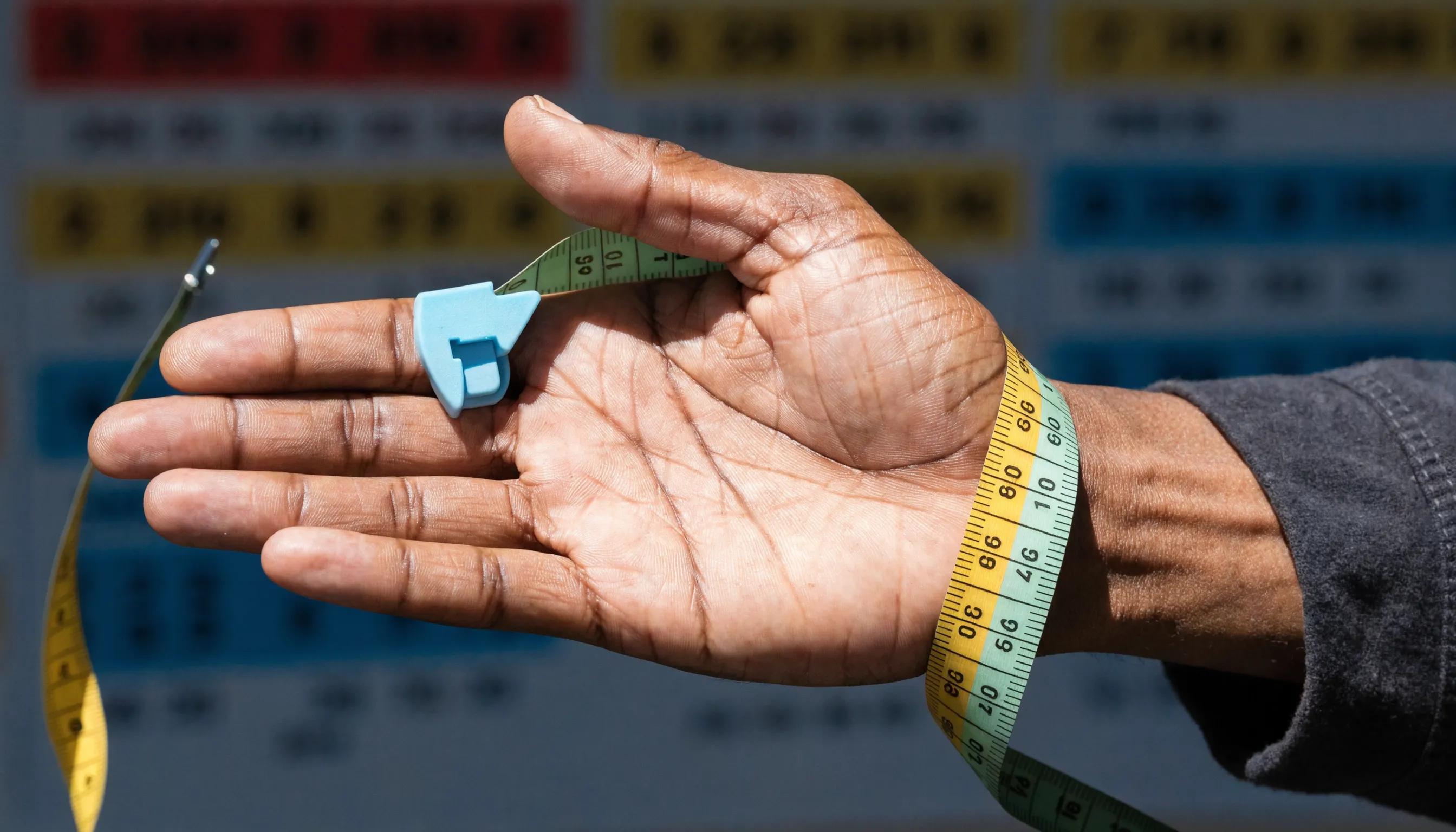
Measure the circumference of your dominant hand around the knuckles with your fingers held together. Match that measurement to a glove size chart to find the closest fit. This approach helps ensure the glove fits comfortably while allowing effective hand movement.
Comparing Youth and Adult Glove Sizes: What to Consider
Compare youth and adult sizes by considering the player’s age, position and skill level. Youth gloves often follow different size standards and use lighter materials to make handling easier. Choose a glove that fits the child’s hand, accommodates growth and matches their position, whether infield or outfield. See the youth glove sizes collection for options sized for younger players.
Fit
Proper glove fit matters for control and comfort. A glove that is too tight limits movement; a loose glove reduces catching control.
Material Considerations
Material choice affects performance and lifespan. High-quality gloves are typically leather or engineered synthetics, each with trade-offs in weight, durability and break-in behaviour. The material often explains why some softball gloves perform and last longer than mass-market alternatives.
Additional Tips
When selecting a glove, check brand-specific size charts and factor in your experience level. Trying on several models during a fitting reveals which glove moves naturally with your hand during play.
What Size Softball Glove Do You Need? Understanding Glove Sizing Charts
Using sizing charts correctly helps you avoid common selection errors and reduces the chance of buying the wrong size. For more details, consult the FAQ on glove sizing.
What Makes 40-Day Bark-Tanned Leather Superior for Softball Gloves?
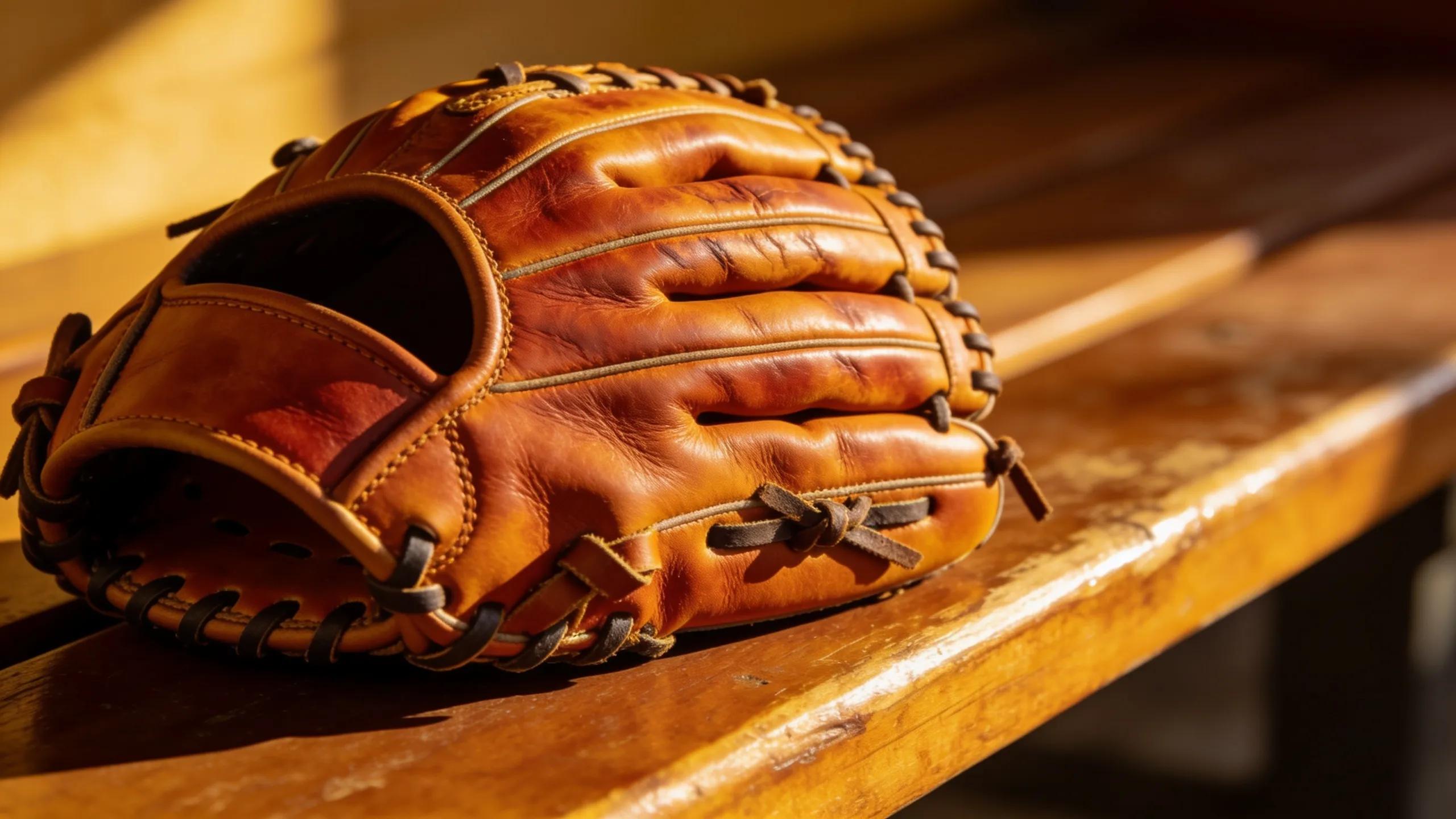
A traditional 40-day bark-tanning process produces leather with improved durability and performance. The slower, natural tanning method develops strength and controlled flexibility in the hide.
How Does Traditional Bark Tanning Enhance Durability and Comfort?
Bark tanning uses natural tannins to reinforce the leather’s fibres, which increases resistance to wear while maintaining pliability. That balance helps the glove mould to the player’s hand over time without becoming brittle.
How Does the G-Lock Adaptive Fit System Improve Glove Performance?
The patented G-Lock Adaptive Fit System provides fine adjustment options to secure a closer, more consistent fit. Its micro-adjustments keep the glove positioned on the hand during play.
What Are the Benefits of Up to 25 Micro-Adjustments in Glove Fit?
Up to 25 micro-adjustments let players dial in a personalised fit, which improves hand control and responsiveness. A well-set glove reduces distractions so players can concentrate on fielding and throwing.
How to Use the G-Lock System for Customizing Your Glove
Locate the G-Lock adjustment mechanism on the glove, then make initial settings for a snug fit. Test during practice and fine-tune the tension so the glove can be tightened or loosened quickly for comfort during play.
What Are the Best Methods to Break In and Maintain Your Softball Glove?
Proper break-in and routine maintenance prolong a glove’s useful life and preserve performance.
Step-by-Step Break-In Techniques for Faster Glove Flexibility
-
Initial Softening: Start by gently flexing the glove to loosen the leather.
-
Playing Practice: Use the glove during practice sessions to mold it to your hand shape.
-
Conditioning Products: Apply a leather conditioner to maintain moisture and prevent cracking.
Essential Glove Care Tips for Long-Lasting Performance
-
Regular Cleaning: Remove dirt after each game to prevent buildup.
-
Proper Storage: Store the glove in a cool, dry place, ideally with a ball inside to maintain its shape.
-
Conditioning: Use leather conditioner periodically to keep the leather supple.
How to Choose the Right Glove Style Based on Position and Comfort?
Glove style matters by position. Choosing the appropriate style improves performance and on-field comfort.
What Are Key Differences in Glove Pocket Depth and Web Styles?
Pocket depth and web design affect ball control. Infield gloves generally have shallower pockets for quicker ball transfer, while outfield gloves use deeper pockets to secure longer throws.
How Does Position Influence Glove Selection for Youth and Adults?
Position dictates many glove features. Catchers need gloves built for impact protection and quick transfers; first basemen benefit from wider pockets; infielders and outfielders choose pocket depth and webbing based on how they will handle the ball. See position-specific options like the men's gloves collection for examples.
Why Are Youth Softball Gloves Different and How to Choose Them?
Youth gloves are sized and constructed to suit developing hands and new players’ needs.
Which Fit Features Support Growing Hands and Comfort?
Choose gloves with adjustable straps and flexible materials for a secure, adaptable fit. Those features accommodate growth and offer comfort as young players develop.
How Does Resilient Gloves’ Youth Collection Cater to Young Players’ Needs?
Resilient Gloves offers youth-sized models that combine softer materials and flexible construction with adjustable elements to support comfort and confidence while learning the game.
Frequently Asked Questions
How do I know if my glove is too tight or too loose?
A glove that is too tight will restrict hand movement and make catching and throwing harder. A glove that is too loose reduces control and raises the chance of dropped balls. Wear the glove and make a fist; it should feel snug without pinching. Make catching motions to confirm the glove moves naturally with your hand.
Can I use a softball glove for baseball, or vice versa?
Softball gloves are built for a larger, softer ball and often have deeper pockets. Baseball gloves are sized for a smaller ball. Using a softball glove for baseball can affect your grip and transfer speed; using a baseball glove for softball may not secure the ball as well. Pick a glove made for the sport you play for best results.
What is the significance of glove webbing styles?
Webbing style influences how the glove controls and conceals the ball. Open webs and shallower pockets suit infielders who need quick releases, while deeper pockets and closed webs help outfielders secure long catches. Match webbing to your position and catching style.
What materials should I avoid when buying a glove?
Avoid low-quality synthetic materials that wear out quickly and provide poor support. Steer clear of gloves with weak stitching or thin seams, which can tear under stress. Choose durable leather or verified synthetic composites for better longevity and consistent performance.
How can I extend the lifespan of my softball glove?
Follow a maintenance routine: clean off dirt after use, condition the leather to retain flexibility, and store the glove in a cool, dry place with a ball inside to keep the pocket shape. Inspect seams and laces regularly and repair small issues before they worsen.
What are the signs that my glove needs to be replaced?
Replace a glove when you see extensive cracking, frayed laces, or loss of structural shape. A pocket that no longer holds a ball or a glove that fits poorly and affects play are indicators it’s time for a new model. Regular checks help you decide before performance suffers.
Are there gloves designed specifically for different player positions?
Yes. Gloves are designed with positional needs in mind: catchers for protection and quick handling, first basemen with wider pockets, infielders with shallow pockets for fast transfers, and outfielders with deeper pockets for securing fly balls. Choose a position-specific glove to match the required features.
Conclusion
Choosing the right softball glove improves play and comfort on the field. By learning about fit, sizing and material options, players can make informed purchases that match their position and style. See our curated collection to find a glove that suits your play and helps you take the field prepared.