

Choosing the right baseball glove affects a player's handling, comfort and control on the field. Resilient Gloves pair handwork with engineered systems to deliver gloves that fit precisely and support on-field performance. This review focuses on the G-Lock Adaptive Fit System and the use of bark-tanned leather, so players can judge how those features translate into faster break-in, better feel and long-term durability.
We cover fit technologies, why fit matters at every level, material choices that extend glove life, recommended youth models and practical sizing and break-in methods.
What Unique Fit Technologies Define Resilient Baseball Gloves?
Resilient focuses on fit systems that change how a glove conforms to the hand. Their designs combine adjustable mechanics with traditional patterns to produce a closer, more consistent fit across different hand shapes. The result is a glove that grips predictably and moves with the player.
A more precise fit improves grip and responsiveness, which reduces fumbling and supports quicker ball transfers. Players report steadier handling and greater confidence when the glove matches their hand geometry.
Next, we look specifically at how Resilient’s patented G-Lock Adaptive Fit System refines that fit.
How Does the Patented G-Lock Adaptive Fit System Enhance Customization?
The G-Lock system offers fine-tuned adjustments through a compact mechanism that changes tension and pocket shape. Players can make quick micro-adjustments to match finger length, palm width and wrist preference without losing flexibility.
That mechanism is built for repeated use. It resists loosening under play conditions, so the fit set at the start of the season remains consistent through repeated games and practices. Consistent fit means predictable performance over time.
Understanding how fit affects play helps explain why precise sizing matters for both youth and adult players.
Why Is Precise Glove Fit Crucial for Youth and Adult Players?
A snug, secure glove improves control when catching and throwing. When the hand sits correctly in the pocket, transfer times shorten and catches feel more secure. Players who use a glove that matches their hand report fewer mishandles in game situations.
Poor fit can cause blisters, restrict natural wrist motion and distract a player during play. For younger athletes still learning fundamentals, correct fit reduces equipment-related setbacks and supports steady progress.
Next, we examine how bark-tanned leather contributes to durability and on-hand comfort.
How Does Bark-Tanned Leather Boost Glove Durability and Comfort?
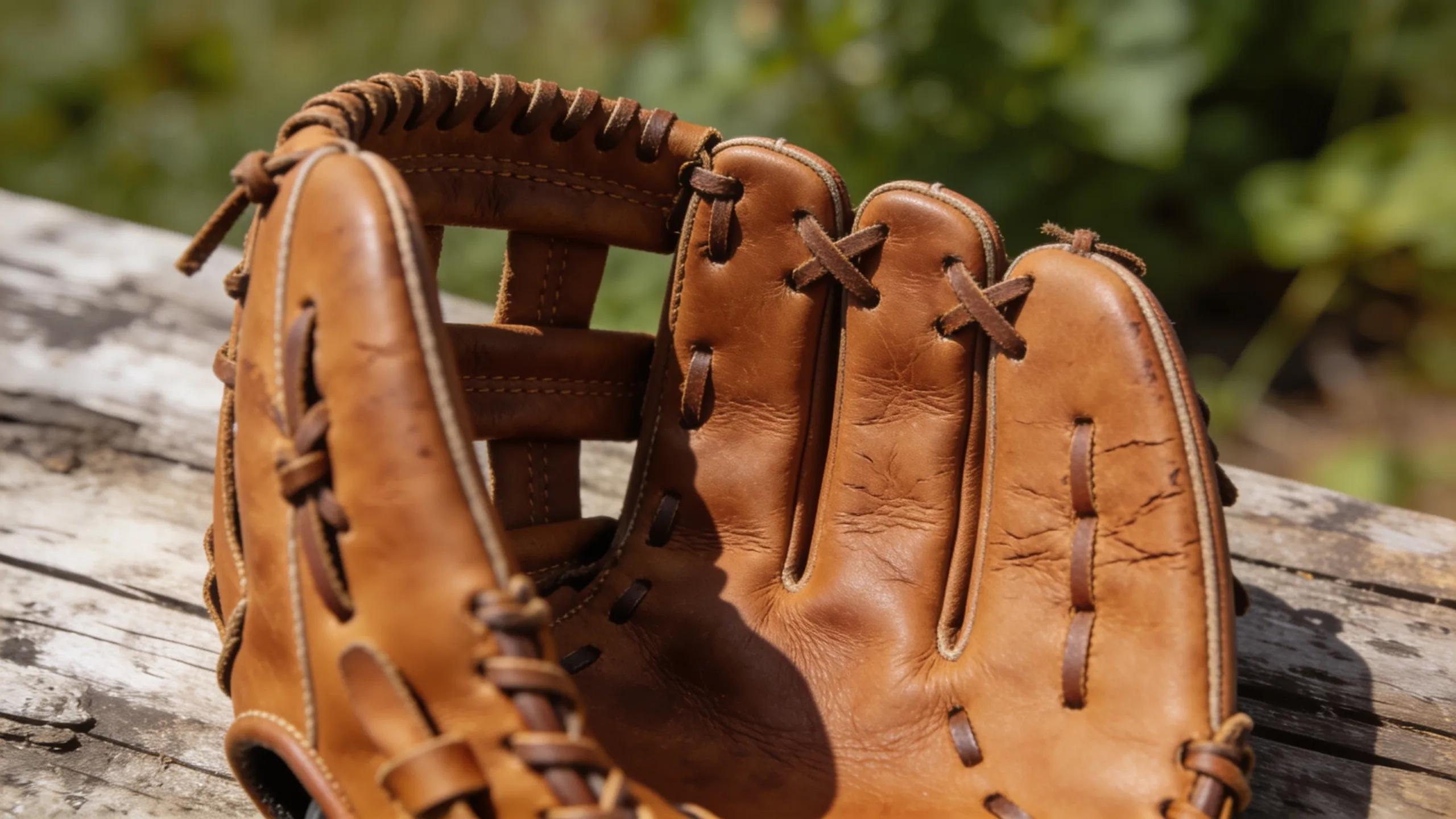
Bark-tanned leather delivers a balance of toughness and initial suppleness. The tanning preserves natural grain and flexibility, so gloves feel ready to use sooner and resist breakdown over many seasons. Players notice softer feel early on and durable fibre structure that holds up to repeated impact.
This leather type also breathes better than many synthetics, helping hands stay cooler in warm conditions and reducing sweat-related slip. That breathability supports longer practice sessions with less discomfort.
What Are the Benefits of the Traditional 40-Day Bark Tanning Process?
The 40-day bark tanning process lets tannins reach deep into the hide, producing leather that keeps its strength while remaining pliable. That extended treatment strengthens fibres against abrasion and helps the leather settle into a reliable shape, which translates to longer usable life for the glove.
Extended tanning also improves resistance to moisture penetration, protecting the leather during rainy play and humid storage conditions so the glove maintains performance over time.
How Does Bark-Tanned Leather Compare to Other Leather Types for Baseball Gloves?
Compared with synthetic leathers and faster tanning methods, bark-tanned leather typically offers better texture, breathability and long-term resilience. Synthetics often soften or degrade sooner and lack the tactile feedback players rely on for ball control.
Players frequently cite the natural feel and predictable response of bark-tanned leather. That tactile quality supports finer ball handling and a more personal connection to the glove as it conforms to the hand.
What Are the Best Resilient Gloves for Youth Baseball Players?
Choosing a youth glove that matches age, position and hand size sets a foundation for skill development. Resilient Gloves offers youth models built with proportionate pocket depth, lighter weight and fit features that suit growing players.
How to Choose the Right Size Using the Youth Baseball Glove Sizing Guide?
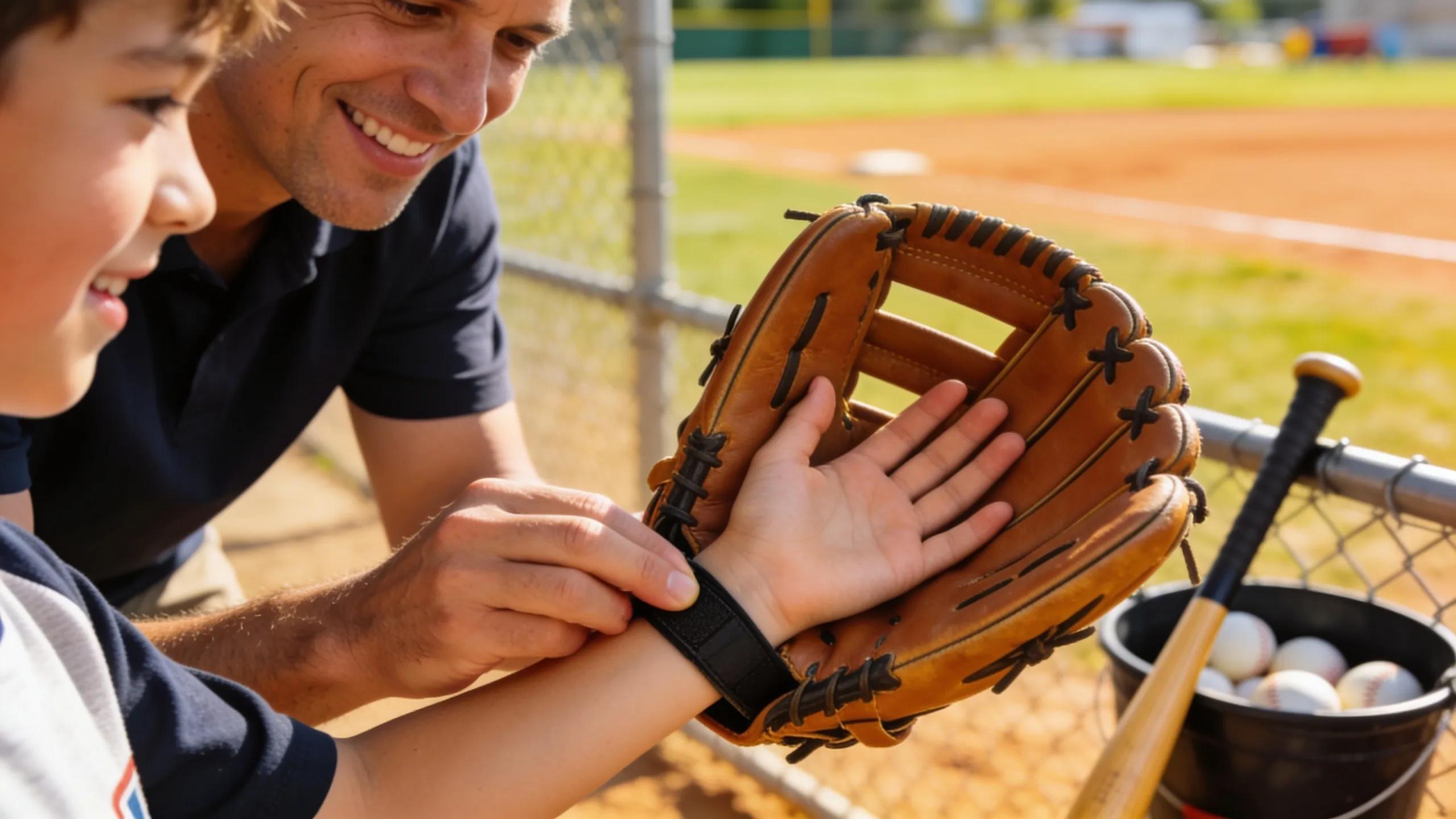
Use the sizing guide to match glove length to age and position. Youth sizes commonly fall between 10 and 12 inches. A correct size lets a young player close the glove easily and control the ball during throws and swings.
The G-Lock system provides small adjustments after purchase, so the glove can be tuned as a player’s hand grows. That feature extends the useful period of a youth glove.
How Does Glove Fit Support Player Development in Youth Baseball?
When a glove fits well, a young player spends practice time refining technique instead of fighting equipment. Proper fit builds muscle memory for catching and throwing and encourages consistent repetition—both essential for skill gains.
Finding a glove that fits also increases a player’s engagement. Comfortable, well-fitting equipment helps them take ownership of their practice and stay motivated to improve.
How to Break In a Resilient Baseball Glove for Faster Game Readiness?
Speed the break-in by conditioning the leather lightly, then shaping the pocket with controlled hand work and practice catches. Regular, game-like use helps the leather form to the hand more quickly than passive methods alone.
What Maintenance Practices Extend Glove Lifespan and Performance?
Keep the glove clean and dry after use, wipe away dirt and store it away from heat. Apply a recommended leather conditioner at intervals to keep fibres flexible and prevent cracking. Storing a ball in the pocket preserves shape between sessions.
Which Break-In Techniques Work Best with Bark-Tanned Leather Gloves?
Bark-tanned leather responds well to gentle stretching, targeted mallet work on high-impact areas and steady use during practice. Those steps help the leather settle into the player’s hand without overstretching or weakening the fibres.
How Do Resilient Gloves Compare to Mass-Market Baseball Gloves?
Resilient Gloves differ from many mass-market offerings in material selection and construction. Mass-market gloves often use lower-cost synthetics and quicker assembly processes that reduce tactile quality and long-term durability.
For adult players, review the Resilient men's baseball gloves to compare sizes, patterns and materials suited to full-size hands.
How Does G-Lock’s Micro-Adjustment Differ from Standard Fit Systems?
G-Lock offers micro-adjustments that fine-tune tension and pocket shape during play, unlike standard systems that typically provide only coarse size options. That level of refinement helps players dial in fit quickly for better ball control.
What Value Does Traditional Craftsmanship Add Over Factory-Made Gloves?
Traditional craft methods focus on pattern accuracy, stitch placement and leather selection. Those details improve fit consistency and tactile feedback in ways mass-produced gloves rarely match, producing a tool that performs dependably over time.
|
Material
|
Attribute
|
Value
|
|---|---|---|
|
Bark-Tanned Leather
|
Durability
|
High, resists wear
|
|
Synthetic Leather
|
Flexibility
|
Moderate, covers basic needs
|
|
G-Lock System
|
Customization
|
Dynamic, precise adjustments
|
The table shows how material choice and fit systems combine to serve players who need consistent performance and long service life from their gloves.
Choosing a glove is an investment in handling, comfort and enjoyment on the field. Resilient Gloves pair durable bark-tanned leather and precision fit systems to offer a long-lasting, performance-focused option for players who value craftsmanship and reliable fit.
Frequently Asked Questions
What should I consider when choosing a baseball glove for a youth player?
Match the glove to the child’s age, position and hand measurements. Choose a lightweight model with the right pocket depth so the player can close and control the ball. Leave a little room for growth and favour materials like bark-tanned leather that offer comfort and longevity.
How does the G-Lock Adaptive Fit System benefit players during games?
G-Lock lets players make small fit changes on the run, which improves grip and feel when fielding. That quick adjustability helps maintain consistent handling and reduces distractions so players can focus on execution during tense moments.
Can adults benefit from Resilient's youth gloves?
Adults can use youth models if they prefer a smaller, lighter glove for practice or casual play. Youth gloves with refined features, such as micro-adjust fit and quality leather, can offer a comfortable alternative—provided the glove still supports the adult’s hand size and throwing mechanics.
What are the key differences between Resilient Gloves and mass-market options?
Resilient emphasizes higher-grade bark-tanned leather, tighter construction tolerances and a refined fit system. Mass-market gloves often rely on lower-cost materials and simplified fit, which can reduce comfort, breathability and service life compared with Resilient models.
How often should I clean and maintain my baseball glove?
After each use, remove dirt and moisture and store the glove in a dry place. Clean more thoroughly with a damp cloth and mild soap when needed. Condition the leather at intervals recommended by the manufacturer to keep the fibres supple and reduce cracking.
What factors contribute to a glove's break-in time?
Break-in time depends on the leather type, glove construction and frequency of use. Bark-tanned leather usually softens faster than many alternatives. A snug initial fit and regular practice work speed the process, while targeted mallet work and conditioning can help shape the pocket sooner.
Conclusion
Right fit and durable materials improve handling, reduce distractions and extend a glove’s usable life. Resilient Gloves combine bark-tanned leather with the G-Lock Adaptive Fit System to deliver gloves that reach game readiness sooner and hold their fit through repeated use. Visit the Resilient website to learn more about models and features that suit your play.