

Selecting the right baseball glove influences a young player’s comfort, skill development and enjoyment on the field. Durable youth leather gloves stand apart because of careful craft, longer service life and performance-led design. This article explains why a high-quality leather glove matters, with focus on fit, material quality, the advantages of bark-tanned leather, maintenance steps and practical care tips. Many parents and players struggle to find a glove that balances comfort, toughness and playability; a well-made leather glove meets those needs and supports progress over time.
Fit
A correct fit matters most for youth players, whose hands change quickly. A glove that fits well speeds ball transfer, improves control and reduces fumbling. Durable youth leather models often include adjustable elements and considered shaping to accommodate a range of hand sizes while keeping play comfortable.
One such system is the G-Lock Adaptive Fit System, which offers precise adjustment capabilities tailored for young players. This feature ensures that the glove remains snug and allows for easy micro-adjustments, providing a custom fit suitable for each player.
How Does the G-Lock Adaptive Fit System Improve Youth Glove Comfort?
The G-Lock Adaptive Fit System uses micro-adjustments so the glove conforms closely to a player’s hand. The mechanism is simple to operate, even during a game, and compensates for growth and differing hand shapes. Young athletes benefit from a consistently secure fit that supports quicker catches and easier control.
What Are Key Youth Baseball Glove Fit Tips for Choosing the Right Size?
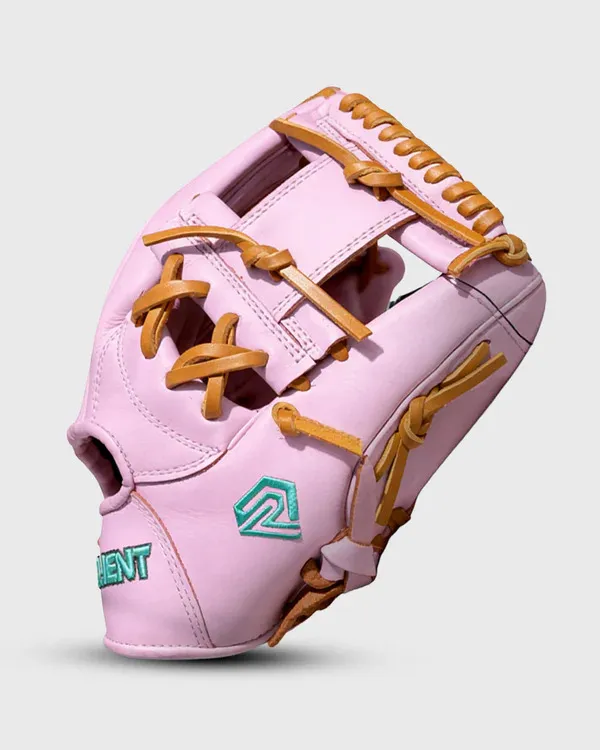
Use these practical fit tips when choosing a youth glove:
-
Measure Hand Size: Use a tape measure to record hand length and compare to the manufacturer’s sizing chart.
-
Try Different Styles: Open-back and closed-back models sit differently on small hands; test both for comfort.
-
Look for Adjustments: Choose gloves with an adjustable fit system so the glove stays secure as the child grows.
A glove that fits correctly improves comfort and helps a young player field and transfer the ball more efficiently.
Quality
Material choice directly affects a glove’s feel and lifespan. High-grade leather outperforms most synthetic options for durability, break‑in behaviour and long-term comfort. Quality leather gradually mates to the hand, producing a personalised fit that improves handling and control on the field.
A premium option like those offered by Resilient Gloves combines traditional handcraft with patented features to deliver consistent performance and durability that make these gloves a sensible long-term purchase for parents.
What Makes Bark-Tanned Leather Superior for Youth Baseball Gloves?
Bark-tanned leather is prized for strength and workable feel. The plant-based tanning method preserves fibre integrity while producing leather that stays flexible and resists heavy wear. This natural process also reduces reliance on synthetic chemicals, so the finished glove retains breathability and a durable texture suited to frequent use.
-
Durability: The leather is treated to resist wear and tear, providing a longer lifespan.
-
Moisture Resistance: This type of leather is less likely to absorb water, maintaining its integrity even in damp conditions.
-
Comfort Features: Bark-tanned leather offers natural breathability, ensuring that young players remain comfortable throughout the game.
How to Break In Durable Youth Leather Gloves Efficiently?
Breaking in a new glove softens the leather while keeping structural support intact. The aim is to form a pocket and flexibility without weakening the hide. Parents can guide a controlled break-in that speeds comfort without reducing longevity.
-
Using Oil: Apply a thin layer of glove oil made for leather to relax fibres gently.
-
Playing Catch: Repeated use shapes the glove naturally to the player’s hand and the desired pocket.
-
Storing Properly: Keep the glove in its formed position when not in use to retain shape.
Following these steps results in a glove that performs reliably from the first season and maintains its form over time.
Longevity
Durable youth leather gloves are an investment: high-quality hides, proper manufacture and routine care extend service life across seasons. Paying more up front for a well-made glove often reduces replacement frequency and total cost for families.
Routine maintenance preserves the leather’s strength and function. Teaching basic care early helps prevent premature breakdown and keeps the glove ready for regular practice and games.
What Maintenance Practices Extend the Longevity of Youth Leather Gloves?
Routine care keeps a glove functional season after season. Follow these steps to protect performance and appearance:
-
Regular Cleaning: Wipe away dirt and dust after play to prevent abrasion.
-
Using conditioner: Apply leather conditioner at intervals to stop drying and cracking.
-
Storing Properly: Store in a cool, dry place and stuff the pocket to preserve shape.
Apply these practices and the glove will retain its playability and look for many seasons.
How to Care for Bark-Tanned Leather to Preserve Strength and Flexibility?
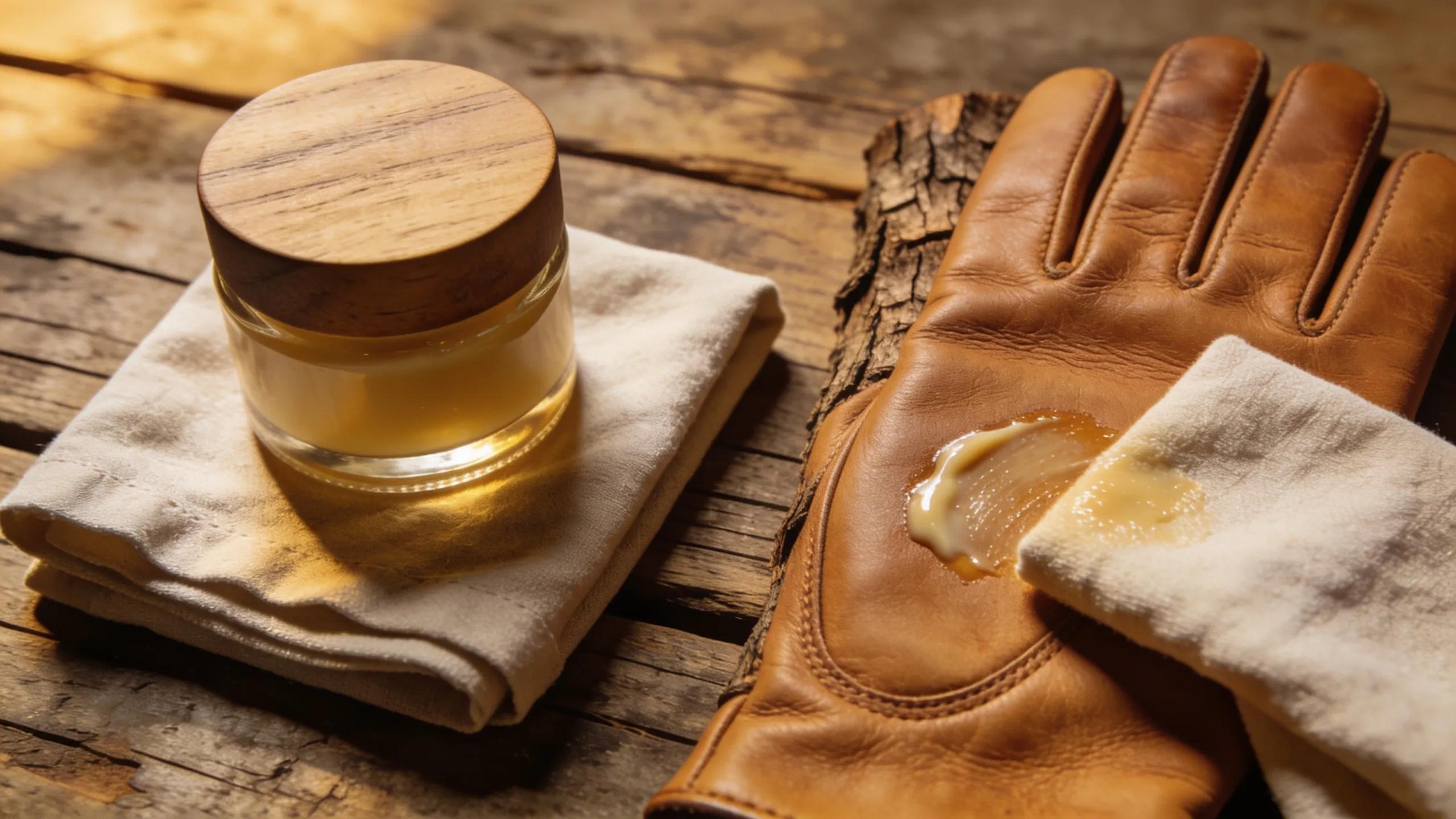
Bark-tanned leather responds best to targeted care that preserves its natural properties:
-
Avoid Excessive Moisture: Let wet gloves dry at room temperature and avoid direct heat that can stiffen fibres.
-
Use Natural Products: Clean and condition with products formulated for natural leather to keep oils balanced.
-
Handling Regularly: Frequent use and handling help maintain suppleness and the glove’s formed pocket.
Care that respects the tanning method keeps the glove reliable through regular play. For youth-specific models, see the youth baseball gloves collection.
Why is Bark-Tanned Leather Better Than Synthetic Alternatives?
Bark-tanned leather delivers performance traits that most synthetics do not match: lasting wear, a natural feel that conforms over time, and predictable moisture behaviour. Those properties contribute to better handling and comfort during play.
|
Feature
|
Bark-Tanned Leather
|
Synthetic Materials
|
|---|---|---|
|
Durability
|
High
|
Moderate
|
|
Comfort
|
Natural feel
|
Often stiff
|
|
Moisture Resistance
|
Excellent
|
Variable
|
|
Environmental Impact
|
Sustainable
|
Less eco-friendly
|
The comparison underlines why many coaches and parents prefer bark-tanned leather for consistent on-field performance.
How Does the 40-Day Bark Tanning Process Enhance Glove Durability?
The 40-day bark tanning process soaks hides in plant barks and natural oils in staged baths. That slow method tightens and stabilises the leather’s fibres, producing a hide that resists wear while retaining workable flexibility for a reliable glove over time.
Durable youth leather baseball gloves represent a practical investment for families aiming to improve a young player’s comfort and play experience. With attention to fit, quality materials and routine care, these gloves deliver dependable performance across seasons. For options beyond youth sizes, check the men's baseball gloves selection.
Frequently Asked Questions
What should I consider when choosing a baseball glove for my child?
Focus on size, fit and material when choosing a glove. Correct sizing ensures comfort and control; a snug fit helps with ball transfer. Prefer leather for longer service life and better fit development, and check for adjustable features that keep the glove usable as the child’s hand grows.
How often should I clean my child’s baseball glove?
Wiping the glove after each use removes dirt and moisture that cause wear. Let it air dry naturally, then every few weeks apply a light leather conditioner to maintain suppleness. Regular upkeep prevents cracking and keeps the glove functioning season after season.
Can we use synthetic gloves for youth players?
Synthetic gloves can be less costly and fine for casual use or very young beginners, but they often feel stiffer and wear sooner than leather. If the goal is skill development and longer service life, a durable leather glove is generally the better option.
What is the best way to dry a wet baseball glove?
Avoid direct heat sources that can dry and harden leather. Gently blot excess water with a towel and let the glove dry at room temperature with crumpled paper or a soft cloth inside to keep shape. Once dry, apply conditioner to restore oils.
How long can I expect a high-quality leather glove to last?
With proper care, a high-quality leather glove can last several years. Usage frequency, playing conditions and maintenance habits affect lifespan, so regular cleaning, conditioning and correct storage will extend service across multiple seasons.
Are there specific brands known for quality youth baseball gloves?
Yes. Brands such as Rawlings, Wilson and Mizuno are well-known for consistent craftsmanship. Resilient Gloves also offers models with features like the G-Lock Adaptive Fit System. Comparing models and reading user reviews helps parents choose a glove that meets their child’s needs.
What should I do if my glove feels stiff after purchase?
If a new glove is stiff, soften it gradually: apply a small amount of leather oil, use the glove frequently in practice to form the pocket, and consider a glove mallet or wrap to speed pocket formation. The material will relax with repeated handling and time.
Conclusion
Durable youth leather baseball gloves deliver precise fit, reliable material performance and longer service life—attributes that support a young player’s comfort and development. The combination of quality hides, considered fit systems and conscientious care keeps these gloves ready for regular play. Browse our collection of durable leather gloves to find the right fit for your young athlete.