

A correctly fitted youth baseball glove affects more than comfort; it changes how a player grips, catches, and develops skill. This article explains sizing and adjustment for youth gloves, common fitting problems, how to match glove size to hand size, practical measurement techniques, and the role of adjustable systems such as Resilient Gloves' G-Lock technology. It also includes maintenance tips to keep fit consistent over time.
Essential Sizing and Adjustment Guidance
Correct sizing and adjustment matter: a glove that is too large or too small will interfere with a player’s comfort and performance. Hand sizes vary widely among youth athletes, so matching glove size to the player’s hand is important. Age-based sizing recommendations help align equipment with developmental needs. A proper fit improves grip and control, which supports better play on the field.
How to Accurately Measure and Size Youth Baseball Gloves for Optimal Fit
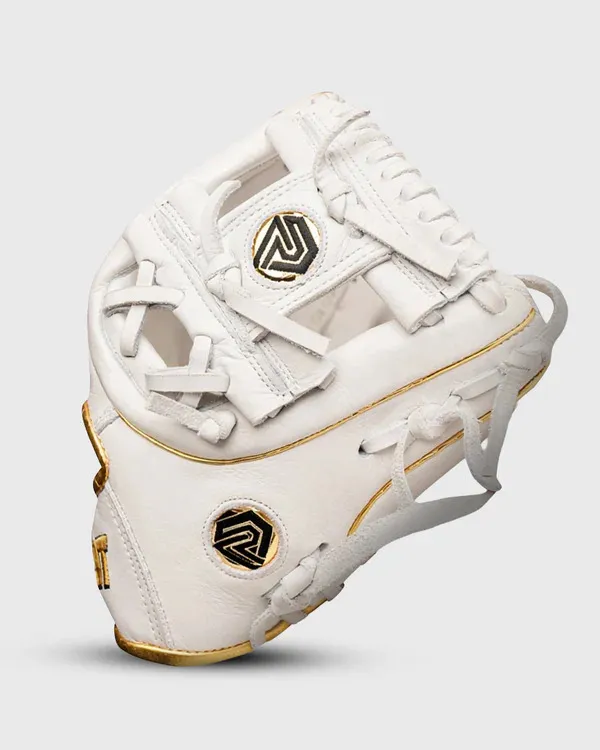
Measuring hand size correctly is the first step in choosing the right glove. Use simple tools and a consistent method so the glove you buy fits and supports the player’s performance from the first use.
What Are the Best Techniques to Measure Youth Hand Size for Glove Selection?
To measure a youth player's hand size effectively, follow these steps:
-
Materials Needed: Use a flexible measuring tape or a piece of string.
-
Measure the Hand: Have the child extend their fingers and thumb, then measure the circumference of their hand just below the knuckles.
-
Record the Size: Ensure the player’s hand is relaxed during measurement for accuracy.
Following these steps produces reliable measurements to guide your glove choice.
How Does Using a Youth Baseball Glove Sizing Guide Improve Fit Accuracy?
Using a youth glove sizing guide improves fit accuracy by mapping hand measurements and age ranges to recommended glove sizes and models for specific positions. These guides help parents and players avoid common fitting errors. For a broad selection of youth models, see the youth baseball glove collection.
Matching glove measurements to the player’s age and position reduces the likelihood of fit-related performance problems.
Why Does Glove Fit Impact Youth Player Comfort and On-Field Performance?
A proper fit creates a natural hand position so players focus on play rather than adjusting equipment. When a glove fits well, players gain better grip and fingertip sensitivity, which improves handling and catching.
Gloves that fit comfortably reduce hand fatigue and improve dexterity, allowing quicker, more effective movements and supporting player confidence during games and practices.
What Are the Benefits of a Properly Fitting Glove for Youth Athletes?
Investing in a glove that fits properly offers several benefits for youth athletes:
-
Confidence Boost: A well-fitted glove helps to enhance a child's confidence, allowing them to engage fully during gameplay.
-
Performance Improvement: Proper fit ensures that players can react swiftly and manage the ball effectively.
-
Long-term Comfort: High-quality gloves that fit correctly will provide comfort throughout extensive use, reducing the likelihood of discomfort or injury.
Fit influences psychological comfort; feeling secure in equipment supports a child’s willingness to play and learn.
How Do Poorly Fitting Gloves Affect Player Confidence and Skill Development?
Poorly fitting gloves create multiple problems for young players. Gloves that are too tight or too loose can lead to:
-
Psychological Impact: Feelings of frustration and self-doubt may arise when players struggle with their equipment.
-
Physical Limitations: A glove that doesn’t fit well can impede hand movement, which can obstruct the development of key skills.
-
Skill Development Hindrances: Difficulties in achieving proper grip and ball handling can stunt a player’s growth in their abilities.
These issues show why choosing the right glove matters for healthy skill development.
What Makes Adjustable Systems Like the G-Lock Essential for Youth Glove Fit?
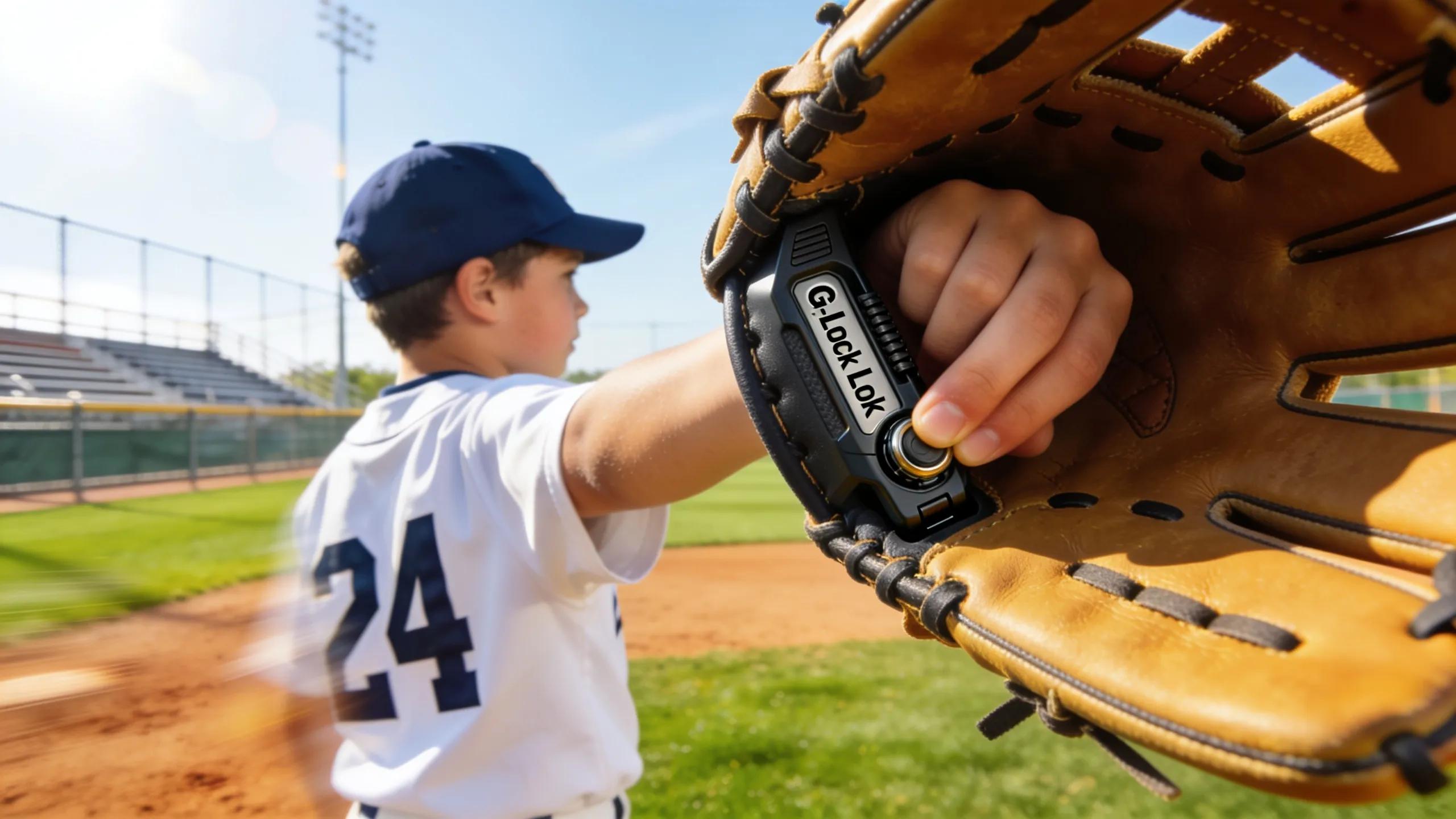
Adjustment systems such as the G-Lock offer micro-adjustability that enables a custom fit tailored to each player and that adapts as they grow.
The G-Lock system is straightforward to operate, which helps younger athletes who may not yet have refined fine motor skills. It secures the glove to the hand while preserving freedom of movement, supporting better on-field performance.
How Does the G-Lock Adjustment System Provide Custom Fit Micro-Adjustments?
The G-Lock system uses an intuitive mechanism that lets players tighten or release straps quickly to obtain a snug fit without removing the glove.
This approach improves comfort and control and extends the glove’s usable life. Because youth grow rapidly, the ability to adjust fit helps prevent players from outgrowing their gloves prematurely.
Why Are Adjustable Youth Baseball Gloves Preferred Over Fixed-Size Alternatives?
Adjustable gloves are preferred for several reasons:
-
Flexibility in Fit: The ability to adjust promotes a snug fit at various stages of a child's growth.
-
Growth Accommodation: As children grow, adjustable gloves can adapt, making them a cost-effective long-term investment.
-
Performance Retention: Maintaining a proper fit ensures consistent performance from season to season.
Together, these attributes make adjustable gloves better suited to the changing needs of youth players.
How Does Bark-Tanned Leather Enhance Durability and Break-In Experience?
Bark-tanned leather offers strength and flexibility, properties that make it well suited for baseball glove construction. This leather resists heavy use while remaining comfortable to wear.
The natural tanning process helps the material breathe and conform to the player’s hand over time. When paired with correct fit adjustments, bark-tanned leather shortens the break-in period.
What Is the Traditional 40-Day Bark Tanning Process and Its Benefits?
The traditional 40-day bark tanning process soaks hides in natural tannins extracted from tree bark. This method produces leather that retains its character and delivers durable performance.
The benefits include:
-
Improved Leather Quality: The tanning process enhances the leather's strength and resilience.
-
Environmental Benefits: Natural tannins are less harmful compared to synthetic tanning agents.
-
Enhanced Performance: The resulting leather maintains excellent moisture-wicking properties, contributing to comfort during play.
Those qualities explain the advantages of choosing high-quality leather gloves from Resilient Gloves. For adult sizes, see the men's baseball glove collection.
How Does Leather Quality Shorten Youth Glove Break-In Time and Extend Longevity?
Leather quality directly affects how quickly a glove breaks in and how long it lasts. Premium leather requires less time to soften and conform to a player’s hand.
Advantages include:
-
Reduced Break-in Time: Players can achieve a good feel and performance without waiting weeks.
-
Extended Longevity: Durable leather withstands wear and tear better than lower-quality options, offering better value for investment.
-
Overall Performance Improvement: A glove that breaks in quickly provides better grip and control from the start.
Buying higher-quality leather delivers faster usability and more lasting comfort over the glove’s lifetime.
What Are Effective Baseball Glove Fit Tips for Kids to Maintain Comfort and Performance?
To keep fit and performance consistent, follow these practical tips:
-
Regular Fit Checks: Players should measure their hand size periodically, particularly at the start of each season.
-
Breaking in the Glove: Use a mallet or roll the glove to aid in the break-in process.
-
Consistent Adjustments: Use the G-Lock system to fine-tune fit throughout the season, particularly as the player grows.
These steps help players extend the glove’s lifespan while maintaining on-field performance.
How Can Youth Players Test and Adjust Glove Fit Regularly?
Youth players can check glove fit during routine practice sessions by doing basic fit assessments such as:
-
Assessing Comfort: Players should wear the glove during practice to ensure it feels right.
-
Adjusting with G-Lock: Utilize the adjustable G-Lock system to modify fit as needed.
-
Monitoring Growth: As players develop, they should continually assess whether their glove meets their needs.
Regular fit checks keep the glove aligned with the player’s comfort and confidence on the field.
What Glove Maintenance Practices Support Fit and Function Over Time?
Routine maintenance extends a glove’s service life and preserves its function. Follow these practices to support fit and performance:
-
Cleaning the Glove: Wipe the glove with a damp cloth after each use to remove dirt.
-
Proper Storage: Store the glove in a cool, dry place to maintain its shape.
-
Conditioning Leather: Regularly apply leather conditioner to keep the material supple and prevent cracking.
Consistent cleaning, correct storage, and regular conditioning maintain shape and suppleness so the glove remains comfortable and reliable.
Frequently Asked Questions
What factors should I consider when selecting a youth baseball glove?
Consider hand size, age, position, and material when choosing a youth glove. Sizes often correlate with age, and certain styles suit positions like catcher or infielder. Higher-quality leather generally offers better fit and durability. Also check whether the glove includes an adjustable system, such as G-Lock, to accommodate growth.
How can I tell if my child's baseball glove is still fitting properly?
Observe how comfortable your child is during practice and games. The glove should feel snug without restricting movement. Look for signs of wear or areas that cause discomfort, and ask your child whether their grip and handling feel natural.
What should I do if my child's glove feels too small?
If the glove feels too small, remeasure the hand to confirm current dimensions and try the next size up. Check for stressed seams or limited finger movement—these indicate the glove may no longer be adequate. If the glove still has life, consider a model with an adjustable fit system.
Why is regular glove maintenance important for youth players?
Regular maintenance preserves material quality and performance. Cleaning removes dirt and moisture that can degrade leather; conditioning keeps the material supple; proper storage protects shape. These habits extend the glove’s usable life and help it retain a proper fit and comfortable feel.
What differences might I see between traditional and adjustable youth baseball gloves?
Traditional gloves require choosing the right size from the start and may not adapt to growth. Adjustable gloves with systems like G-Lock let users change fit without removing the glove, so one glove can serve across multiple seasons. Adjustable models generally maintain a snug fit as the player’s hand grows, supporting comfort and control.
How do weather conditions affect glove performance?
Weather influences leather performance. Rain and high humidity can make gloves heavier and reduce grip, while very dry conditions can dry out leather and cause cracking if it is not conditioned. Players should use water-resistant products or avoid play in harsh weather when possible to preserve glove integrity.
Are there specific brands known for high-quality youth baseball gloves?
Brands such as Resilient Gloves, Rawlings, Wilson, and Easton offer quality youth gloves. These manufacturers provide durable materials, comfort-focused designs, and position-specific styles. Reviewing user feedback and warranty information helps select a glove that fits your child’s performance and longevity needs.
Conclusion
The right fit improves comfort, control, and confidence as young players develop their skills. Proper sizing prevents discomfort and limits on growth in ability. Adjustable options like the G-Lock let parents adapt the glove to a child’s changing hand size, extending usable life. Browse our youth baseball glove collection to find a size that suits your player.