

Traditional bark tanning uses natural tannins to improve leather used in baseball gloves, extending service life while improving on-field performance. The technique modifies the hide so gloves fit more comfortably and resist wear. This article explains how bark tanning affects break-in time, flexibility and durability, and why players seeking better comfort and longer-lasting gear often choose gloves made with this method. We outline the tanning steps, the main benefits, and the practical effects for youth and professional players.
What Is Bark Tanning and How Does It Enhance Baseball Glove Leather?
Bark tanning is a leather process that extracts tannins from tree bark and uses those natural compounds in place of synthetic chemicals. The tannins interact with the hide’s fibers to produce a softer, more pliable leather that shapes to the hand. Bark-tanned leather also supports breathability and sheds some moisture, traits that improve comfort and durability during play.
Benefits of Traditional Bark Tanning:
Several clear advantages set bark tanning apart from chemical or synthetic methods:
-
Natural Leather Quality: Creates a durable, premium product that withstands wear.
-
Softness and Break-in Time: Provides a quicker break-in period, reducing discomfort for players.
-
Enhanced Durability: Offers greater longevity due to the inherent strength of the leather fibers.
Combined, these attributes explain why serious players prefer bark-tanned gloves when they want consistent performance and long service life.
What Are the Key Steps in the 40-Day Bark Tanning Process?
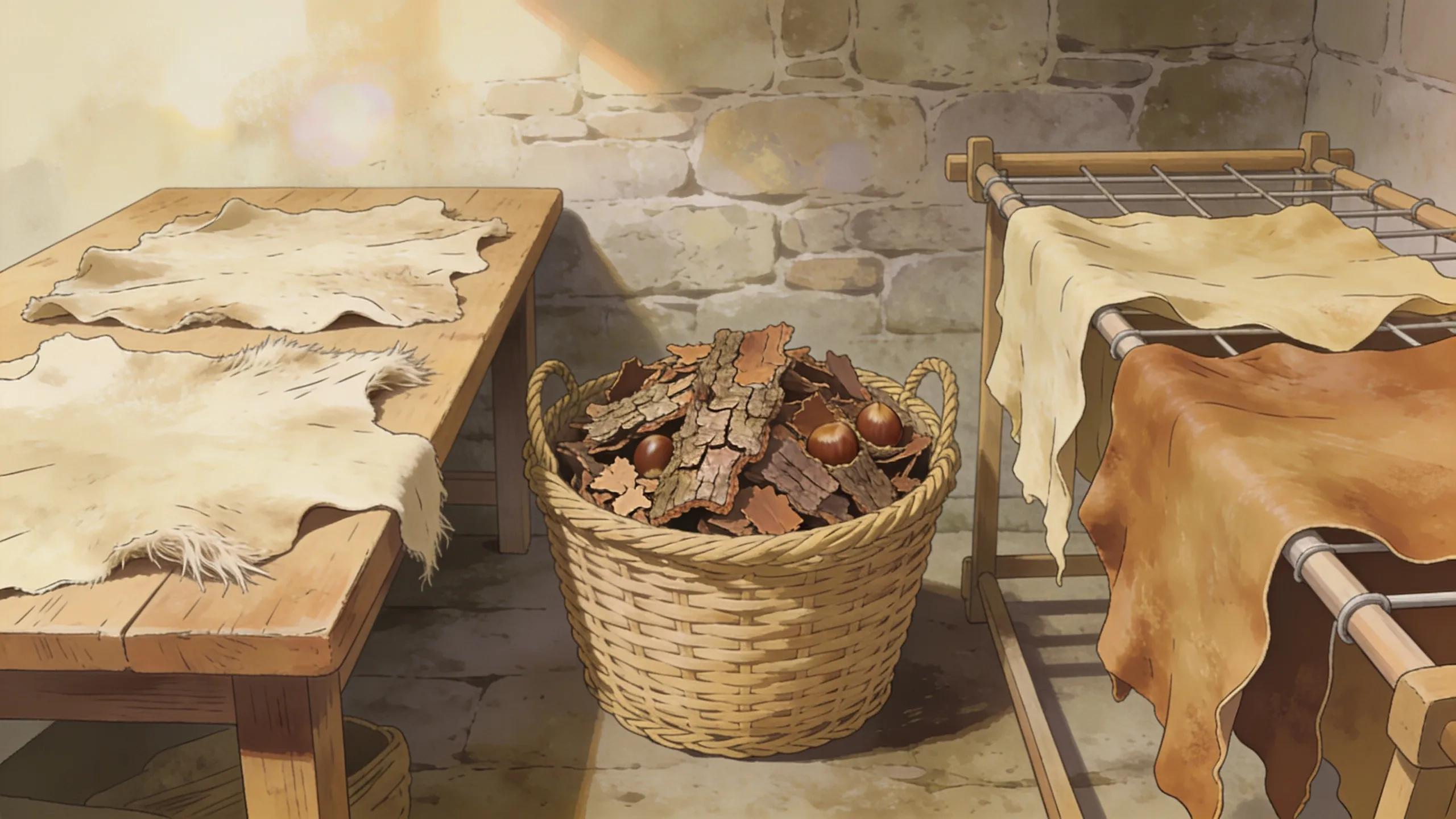
The bark tanning sequence is thorough and typically takes about 40 days. It follows a set of controlled stages that produce stable, functional leather:
-
Preparation of Hides: Raw animal hides are first cleaned and prepared, removing any impurities.
-
Tanning Process: Hides are immersed in solutions containing tree bark tannins, allowing them to absorb the beneficial properties.
-
Drying and Conditioning: After tanning, the leather is dried and conditioned to enhance its functional properties.
This stepwise approach preserves fiber strength and flexibility, producing leather suited for high-performance gloves.
How Does Bark Tanning Compare to Chemical Tanning Methods?
Bark tanning stands out because it relies on natural materials rather than industrial chemicals.
-
Leather Quality: Bark-tanned leather tends to be thicker and more robust than chemically tanned alternatives, which often utilize toxic substances that can degrade the leather’s integrity over time.
-
Break-in Times: Typically, gloves made through bark tanning require less time to conform to a player’s hand due to the natural pliability of the leather.
-
Longevity: Gloves produced with bark tanning retain their shape and functionality longer than those made with chemical tanning, providing players with a reliable tool for many seasons.
These differences help buyers choose gloves that deliver better fit, faster break-in and longer usable life compared with mass-market, chemically treated options.
How Does Traditional Tanning Improve Glove Durability and Flexibility?
Traditional tanning strengthens the leather by reinforcing fiber bonds, producing material that resists tearing and retains suppleness under stress. The process yields leather that bends and stretches predictably, so the glove performs reliably during repeated catches and throws. This makes bark-tanned leather a preferred material for men's baseball gloves that demand both resilience and a comfortable feel.
In What Ways Does Bark Tanning Affect Leather Strength and Longevity?
Natural tannins in the bark tanning process bind to collagen fibers, which reduces the risk of cracking and fiber breakdown. Bark-tanned leather also resists excessive moisture uptake, helping the glove hold shape and function over multiple seasons. Players therefore get a more reliable glove that maintains performance through extended use.
Why Does Traditional Tanning Result in Faster Glove Break-In Times?
Bark-tanned leather arrives softer and more flexible, so it conforms to a player’s hand faster than many chemically tanned alternatives. That quicker adaptation reduces initial stiffness and lets players use their gloves effectively sooner, a clear benefit for youth users who need comfortable equipment from the start. youth baseball glove users, in particular, gain immediate comfort and better control.
What Is the Role of the G-Lock Adaptive Fit System With Traditionally Tanned Gloves?
The G-Lock Adaptive Fit System is a lacing and locking design that fine-tunes how a glove fits the hand. Paired with bark-tanned leather, the system secures the glove in place and lets players set tension precisely to match their grip and playing style.
Advantages of the G-Lock Fit System
The G-Lock Fit System offers several key benefits:
-
Quick Adjustability: Players can easily fine-tune the fit of the glove for personal comfort.
-
Improved Fit: Ensures that the glove stays snug during play, preventing slippage.
-
Durability Features: The robust construction enhances the lifespan of the glove while maintaining its shape.
Those features make the G-Lock system valuable for athletes who need precise fit and consistent performance from their gloves.
How Does the G-Lock System Offer Precise Micro-Adjustments for Glove Fit?
Engineering in the G-Lock system lets players adjust tension in small increments, unlike bulkier traditional lacing. That control helps maintain consistent pocket shape and reduces slippage during play, which supports better catches and quicker handling.
Why Is Combining G-Lock Fit Technology With Bark-Tanned Leather Advantageous?
When G-Lock fit technology is combined with bark-tanned leather, the result is a glove that fits closely from the first use and holds that fit over time. The adaptive lacing and naturally pliable leather work together to deliver control, comfort and dependable feel on the field.
How Should Players Maintain Traditionally Tanned Baseball Gloves for Maximum Longevity?
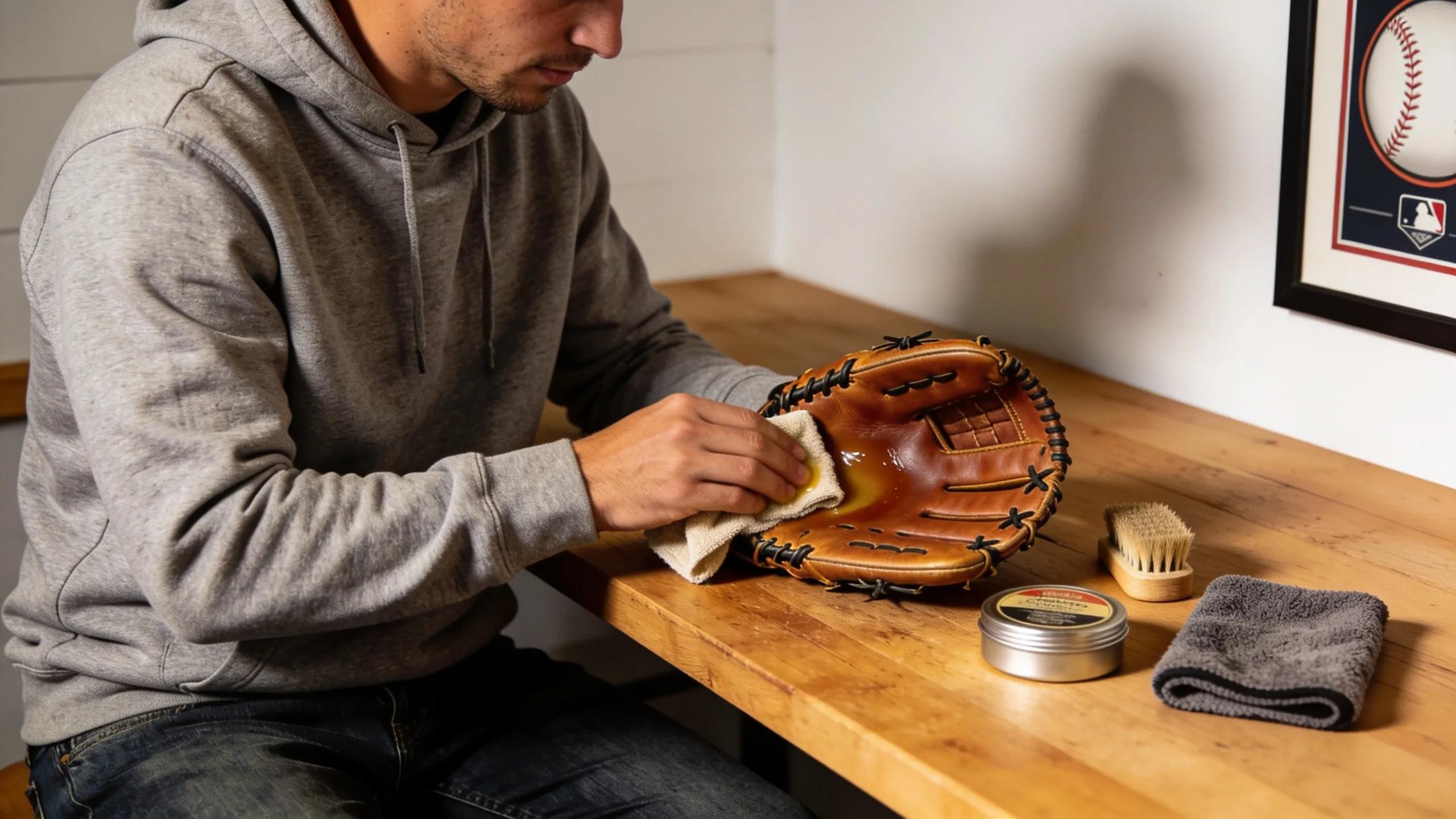
Routine care preserves the performance of bark-tanned gloves. Follow a few simple steps to keep leather healthy and flexible:
-
Regular Cleaning: Wipe down gloves after use to remove dirt and sweat.
-
Storage: Store gloves in a dry place to prevent mold and mildew.
-
Conditioning: Use appropriate leather conditioners to maintain moisture and flexibility.
Sticking to these maintenance steps helps gloves retain shape and feel, extending service life and keeping performance consistent over time.
What Are Best Practices for Breaking In and Caring for Bark-Tanned Gloves?
Breaking in a bark-tanned glove properly uses gradual, controlled techniques that shape the leather without stressing it. The following approaches encourage a well-formed pocket and long-term durability:
Maintenance Techniques
-
Gradual Use: Start using the glove during practice before committing it to games.
-
Moisture Application: Lightly dampening the glove can help in molding it to the hand's shape.
-
Consistent Care: Follow up with proper conditioning treatments regularly to preserve leather quality.
Establishing a steady care routine and breaking the glove in over time produces better handling and extends usable life.
How Does Proper Maintenance Influence Glove Performance Over Time?
Consistent cleaning, conditioning and correct storage preserve flexibility and structural integrity in bark-tanned gloves. Over months and seasons, that upkeep prevents stiffness and material breakdown, keeping the glove responsive and reliable for play.
What Are the Unique Considerations for Youth Baseball Gloves Using Traditional Tanning?
Youth gloves benefit from bark tanning because the softer leather adapts to changing hand size and movement, giving growing players a more comfortable fit without sacrificing functional support. That adaptability helps young athletes handle the ball more easily as they develop technique.
Youth Player Development
Gloves made with traditional tanning support youth players by ensuring that the leather is both soft and reliable. The adaptability of the leather helps young players develop skills without being hindered by stiff equipment. Feedback from coaches often highlights the importance of comfort and ease of use in young athletes, making bark-tanned gloves an excellent choice.
How Does Traditional Tanning Benefit Youth Gloves Differently Than Mass-Market Options?
Youth gloves made with traditional tanning techniques differ significantly from mass-market options, which often rely on synthetic materials.
-
Quality Differences: Bark-tanned leather provides superior quality and handling that synthetic gloves cannot match.
-
Fit Flexibility: Bark-tanned options adjust better over time, ensuring that players do not grow out of their gloves prematurely.
-
Longevity Compared to Synthetic: Natural leather ensures a longer lifespan under typical use conditions, allowing for extended use through different levels of play.
Traditional tanning produces gloves that give youth players a softer feel, more useful break-in and longer service life than many synthetic alternatives. For more information on acquiring such high-quality gear, exploring the full range of Resilient Gloves products is recommended.
Frequently Asked Questions
1. What distinguishes bark tanning from synthetic alternatives in terms of environmental impact?
Bark tanning uses tannins from tree bark rather than harsh industrial chemicals, which reduces pollution associated with leather processing. The method relies on renewable materials and produces leather that breaks down more naturally at end of life, making it a more sustainable option for environmentally minded buyers.
2. How does the bark tanning process influence the breathability of baseball gloves?
Bark-tanned leather maintains an open fiber structure that supports airflow and helps move moisture away from the hand. That breathability reduces sweat accumulation, improves grip and lowers hand fatigue during extended play, all of which support better performance.
3. Can bark-tanned leather be repaired more easily than synthetic gloves?
Yes. The natural fiber structure of bark-tanned leather accepts stitching and patch repairs in ways that many synthetic materials do not, so small damages can often be mended rather than requiring full replacement. That repairability increases the long-term value of the glove.
4. What is the difference in fit and feel between youth gloves and adult gloves made with traditional tanning?
Youth gloves made with traditional tanning techniques are designed specifically to accommodate growing hands, ensuring that they provide a more customized fit for younger players. The softer leather used in these gloves allows for easier handling, which is beneficial for skill development. In contrast, adult gloves often prioritize durability and may use thicker leather; however, both types can maintain flexibility and comfort through the qualities inherent in bark tanning.
5. How often should players condition their bark-tanned gloves?
Conditioning every two to three months is a good starting point, with more frequent treatment if the glove gets heavy use or exposure to heat and sweat. Regular conditioning preserves moisture balance and suppleness, which helps prevent cracking and keeps the glove performing well.
6. What are the signs that a baseball glove needs professional refurbishment?
Look for severe cracking, a collapsed or misshapen pocket, separated seams or padding that has lost resilience. If the glove remains stiff despite conditioning, professional refurbishment can restore shape and extend useful life, making it a cost-effective option compared with replacement.
7. Are there specific brands known for producing high-quality bark-tanned baseball gloves?
Yes. Established manufacturers such as Rawlings, Wilson and Mizuno offer lines that use traditional tanning methods and are widely recognised for consistent craftsmanship and materials. These brands are trusted across amateur and professional levels for producing durable, well-made gloves.
Conclusion
Choosing bark-tanned baseball gloves prioritises leather quality, fit and durability. The natural tanning process produces leather that breaks in faster, resists wear and supports consistent performance, while using more sustainable materials than many chemical processes. Consider bark-tanned options when you want a glove that performs well from the first use and continues to deliver over time.